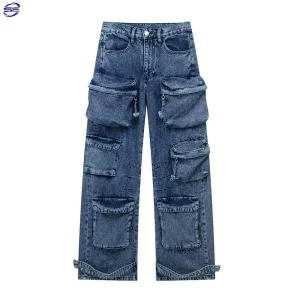
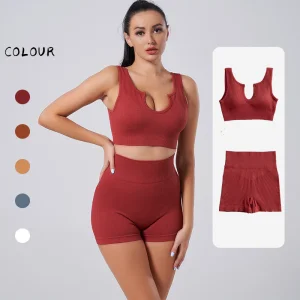
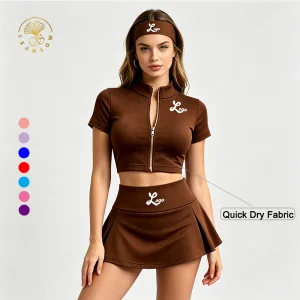
The global women’s apparel market is projected to surpass $900 billion by 2026. Current trends indicate a shift from "Disposable Fast Fashion" to "Value-Driven Longevity," where CE certification and ethical manufacturing are no longer optional but mandatory for market entry in the EU and North America.
In the textile industry, CE Certification signifies compliance with health, safety, and environmental protection standards. For exporters, this ensures that dyes, fabrics, and accessories (like zippers and buttons) meet stringent chemical safety regulations (REACH) and mechanical safety for consumers.
Modern consumers are searching for "Trans-seasonal pieces." Search intent has pivoted toward functionality (e.g., breathable cotton for summer, thermal insulation for winter) combined with aesthetic versatility, driving the demand for factories capable of rapid seasonal pivoting.
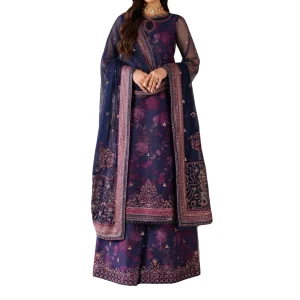
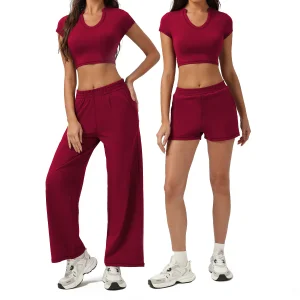
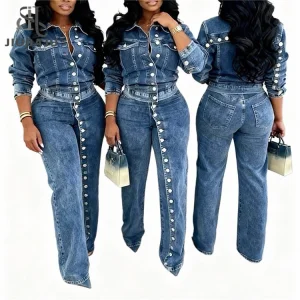
Dongguan Crest Fashion Co., Ltd. is a professional Women Fashion Apparel Manufacturer specializing in private label clothing, OEM production, and ODM garment development for global fashion brands, wholesalers, retailers, and e-commerce businesses. Established in 2012, the company is located in Dongguan, Guangdong Province, one of China's leading apparel manufacturing hubs.
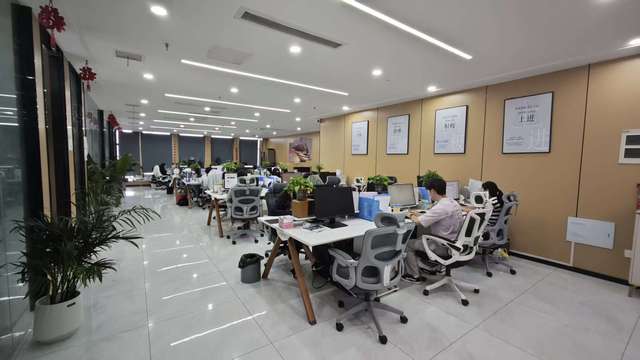
With a modern production facility covering over 8,000 square meters and a workforce of more than 180 skilled employees, Crest Fashion integrates design support, pattern making, fabric sourcing, sample development, production, quality control, and logistics services under one roof.
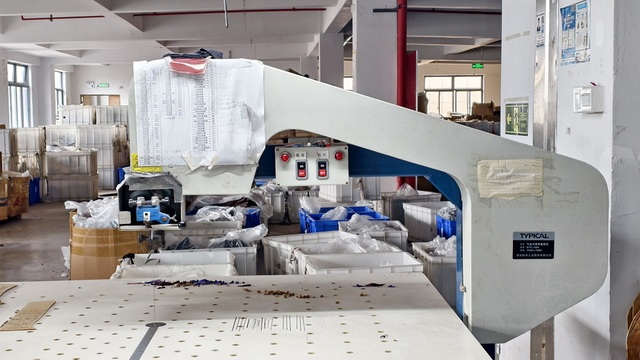
Crest Fashion operates multiple production lines equipped with advanced cutting, sewing, and finishing equipment to ensure consistent product quality and efficient lead times. An experienced merchandising and product development team works closely with clients to transform concepts into market-ready collections while maintaining strict quality standards throughout the manufacturing process.
Utilizing big data to predict color palettes (e.g., Apricot Crush for 2024) and silhouettes before the season begins. This reduces "Dead Stock" by 30% and aligns factory output with real-time consumer search patterns.
Implementation of CLO 3D and Browzwear to create digital twins of garments. This speeds up the sample approval process from weeks to days, significantly reducing the carbon footprint of international shipping for physical samples.
The integration of moisture-wicking, UV-protective, and anti-microbial treatments into seasonal wear. Future roadmaps include "Phase Change Materials" (PCM) that regulate body temperature across changing seasons.
How different regions utilize seasonal trends based on climate, culture, and regulatory requirements.
Focus on Sustainable Luxury. High demand for recycled polyester and organic cotton. All exports must strictly adhere to the EU Strategy for Sustainable and Circular Textiles.
Dominance of Athleisure and Streetwear. Seasonal shifts focus on high-performance outdoor gear and "work-from-anywhere" professional but comfortable attire.
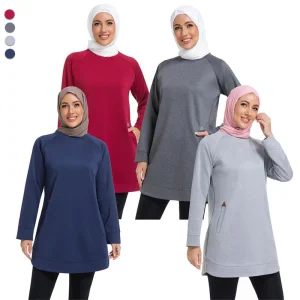
Focus on Modest Fashion Trends. High-end fabrics like silk and breathable synthetics are key for seasonal collections that respect cultural values while remaining trendy.
Demand for Sun-Protective Seasonal Wear. UV-rated fabrics and lightweight resort wear dominate the Spring/Summer export cycles.
We provide full traceability from yarn to finished garment. Our ERP systems track every stage of production, ensuring that labor standards and material origins meet the ESG (Environmental, Social, and Governance) criteria required by major global retailers.
To combat the volatility of seasonal trends, we offer "Quick Response" (QR) manufacturing. This allows brands to test the market with small batches (MOQ flexibility) and scale up rapidly once a trend is validated by sales data.
A: While often associated with electronics, in textiles, CE and related ISO certifications ensure the product meets safety directives regarding flammability, chemical toxicity (Azo dyes), and physical hazards (drawstrings in certain regions), providing legal protection for importers.
A: We utilize a rolling production calendar. Our design team monitors global trend agencies (like WGSN) 6-9 months in advance, allowing our sourcing department to secure seasonal fabrics (wool blends for AW, linens for SS) before market shortages occur.
A: OEM (Original Equipment Manufacturer) is best if you have complete designs and need a factory for execution. ODM (Original Design Manufacturer) is ideal for brands looking to leverage our in-house design expertise to develop unique collections from scratch.
A: We implement a four-point inspection system: Fabric Inspection, In-line Sewing Quality Control, Final Garment Review, and Third-Party AQL testing if requested by the client.
In the competitive landscape of seasonal women's fashion, the winners are those who combine trend agility with manufacturing reliability. By partnering with a factory that understands both the creative nuances of seasonal design and the technical rigors of CE compliance, brands can focus on market expansion while we handle the complexity of the global supply chain.
Dongguan Crest Fashion Co., Ltd. is committed to being that partner. From our 8,000sqm facility in the heart of China's garment hub to the wardrobes of fashion-forward women worldwide, we bring your vision to life with precision, passion, and professional excellence.
 Crest Fashion