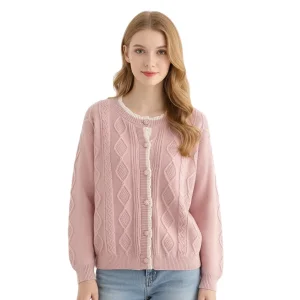
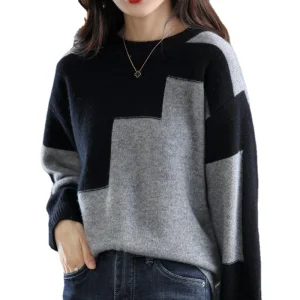
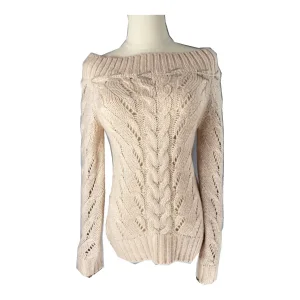
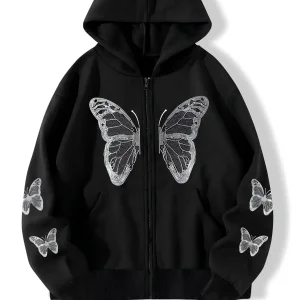
In the rapidly transforming global apparel sector, sourcing the ideal OEM/ODM women's sweaters exporter has transcended basic cost considerations. Today's global buyers—spanning high-end fashion labels, corporate retail conglomerates, and fast-growing e-commerce businesses—require strategic manufacturing partners. An exemplary exporter must offer a balance of aesthetic craftsmanship, strict adherence to environmental regulations, and highly optimized supply chain structures.
According to global apparel trade statistics, the global market for women's knitwear is poised to reach unprecedented valuations, fueled by the demand for trans-seasonal fabrics, ethical sourcing processes, and smart manufacturing technologies. For retail procurement directors, understanding the difference between standard production lines and vertically integrated solutions is the cornerstone of sustainable market growth and profitability.
At the core of the global fashion supply chain stands Dongguan Crest Fashion Co., Ltd., a highly professional Women Fashion Apparel Manufacturer specializing in private label clothing, OEM production, and ODM garment development. Established in 2012, the company operates in Dongguan, Guangdong Province—the global epicenter of advanced textile fabrication and apparel manufacturing clusters.
Crest Fashion operates a modern manufacturing facility covering more than 8,000 square meters and employs over 180 skilled technicians and design personnel. The facility acts as an integrated system, housing design support, precise pattern making, custom fabric sourcing, sample creation, bulk manufacturing, rigorous quality control, and international logistics. This structure allows the company to serve a wide range of product categories, including casual wear, workwear, activewear, knitwear, loungewear, resort collections, and seasonal apparel.
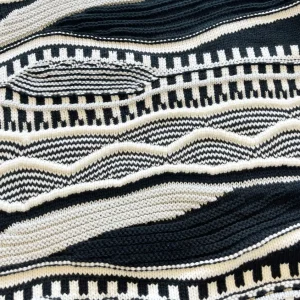
Equipped with computerized flat knitting machinery supporting 3GG, 5GG, 7GG, 12GG, and 14GG options, ensuring flawless structure replication.
Access to yarn repositories in Southern China, offering organic cotton, verified cashmere, wool blends, and recycled polyester.
An in-house R&D studio turning sketch ideas or tech packs into digital configurations and physical samples within 7–10 working days.
The knitwear industry relies heavily on cluster effects. Dongguan's manufacturing environment offers distinct structural benefits for global garment brands. First, the proximity to raw material yarn markets minimizes transportation costs and wait times. Whether matching a Pantone color or requesting custom fiber blends like bamboo-silk, organic cotton, or GRS-certified recycled synthetic fibers, the turnaround time is significantly reduced compared to emerging production centers.
Additionally, modern knitwear production utilizes advanced tech solutions. By using computerized flat knitting machinery, we reduce yarn waste compared to traditional cut-and-sew methods. Seamless circular knitting (WholeGarment) technology is also increasingly utilized, creating garments with clean contours, enhanced comfort, and high durability—factors that modern consumers seek out in premium retail offerings.
Modern retail inventory management is shifting away from massive seasonal product orders. Procurement managers today prioritize risk mitigation through lower Initial Order Quantities (MOQs) coupled with rapid replenishment capabilities. If a specific color trend takes off, the manufacturer must be able to scale production quickly.
Crest Fashion meets this demand by offering flexible manufacturing models. Our processing lines are structured to accommodate both low-volume capsule collections and large-scale bulk orders. This adaptability ensures e-commerce brands can test products with minimal inventory risk and restock high-performing designs mid-season, optimizing capital efficiency.
A premium OEM/ODM service requires comprehensive design support from start to finish. Our structural process converts fashion ideas into high-quality retail products:
International trade requires deep knowledge of regulatory standards across different regions. Exporters must align their production processes with local target market frameworks:

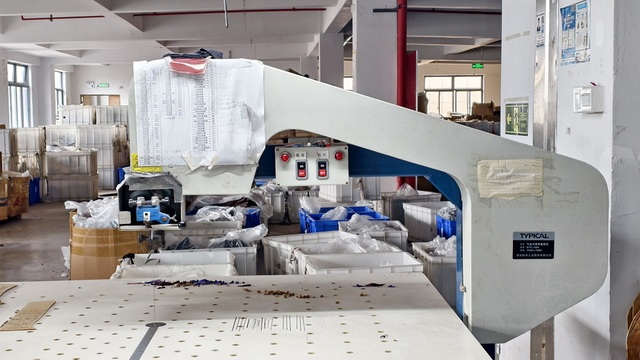
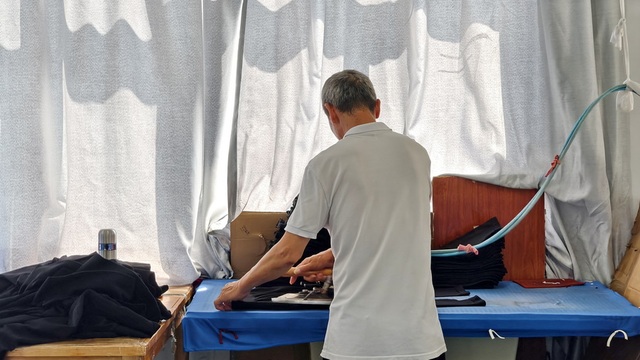
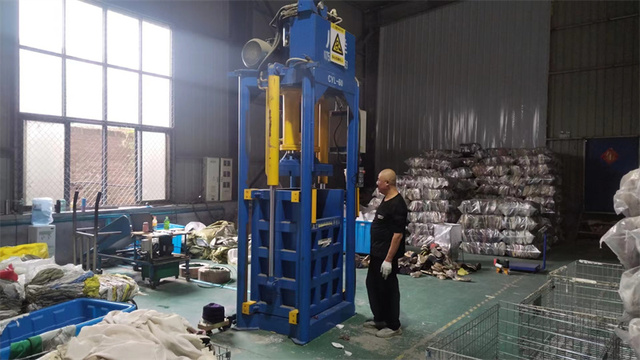

 Crest Fashion