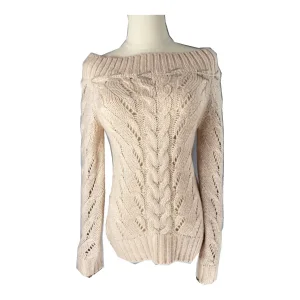
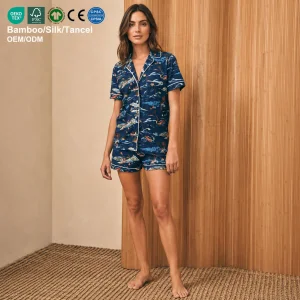
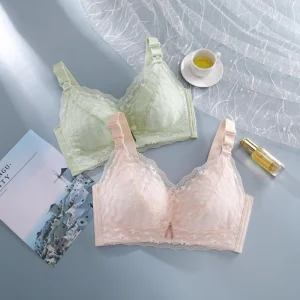
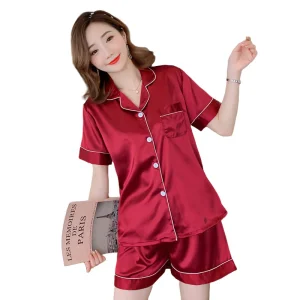
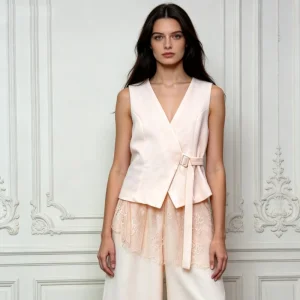
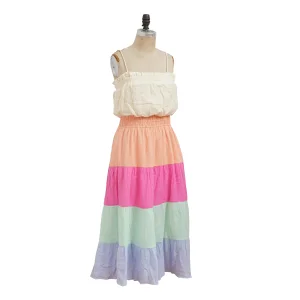
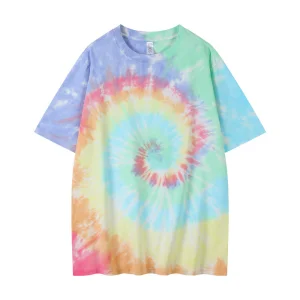
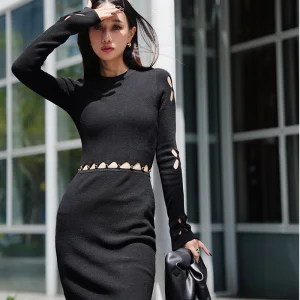
The global Women's Fashion Tunic market has transitioned from a niche traditional garment to a versatile staple in the modern wardrobe, valued at over $15 billion annually in the apparel segment. As of 2024, the demand for tunics is driven by a fusion of "athleisure" comfort and professional aesthetics. Manufacturers are no longer just sewing fabric; they are orchestrating complex supply chains that integrate sustainable materials with rapid-response logistics.
Dongguan, China, remains the epicentre of this industrial evolution. With the rise of Direct-to-Consumer (DTC) brands and high-street retail, the role of an OEM/ODM manufacturer like Dongguan Crest Fashion Co., Ltd. has shifted towards providing "Total Solutions"—from predictive fashion analytics to low-MOQ (Minimum Order Quantity) high-variety production cycles.
Focus on "Work-from-Anywhere" tunics. Demand for moisture-wicking and wrinkle-resistant fabrics like Spandex/Polyester blends is at an all-time high.
Emphasis on sustainability. Preference for organic cotton, bamboo fibers, and OEKO-TEX certified dyes in long-line tunic silhouettes.
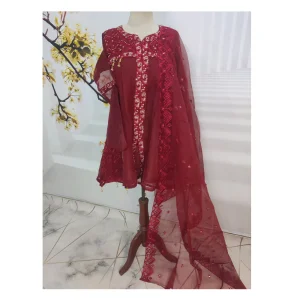
A massive market for modest fashion. High-end jacquard and silk-satin tunics with intricate embroidery (OEM-ready) are primary growth drivers.
Rapid growth in street-style tunics. Integration of traditional prints with modern oversized cuts for the younger demographic.
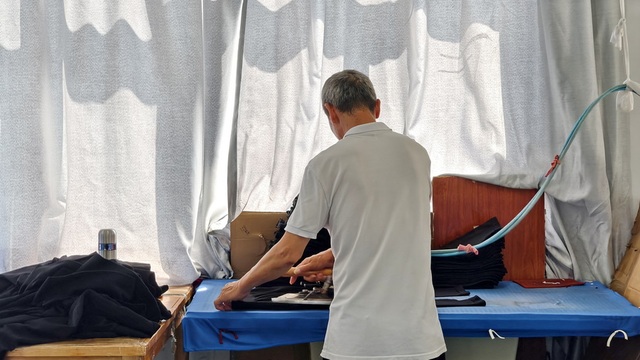
Dongguan Crest Fashion Co., Ltd. is a professional Women Fashion Apparel Manufacturer specializing in private label clothing, OEM production, and ODM garment development for global fashion brands, wholesalers, retailers, and e-commerce businesses. Established in 2012, the company is located in Dongguan, Guangdong Province, one of China's leading apparel manufacturing hubs.
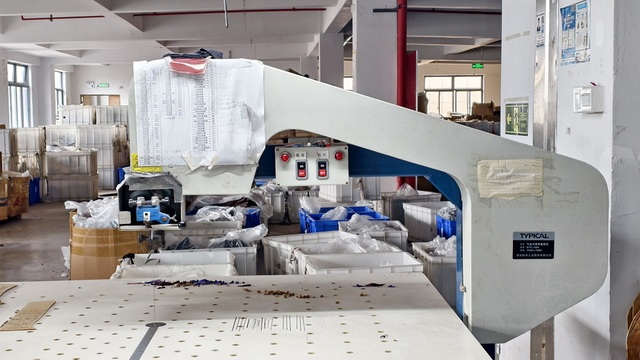
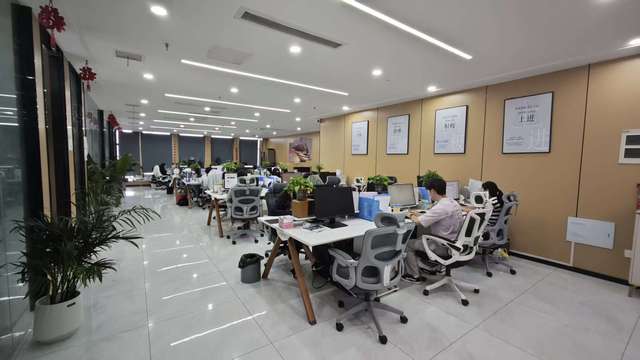
With a modern production facility covering over 8,000 square meters and a workforce of more than 180 skilled employees, Crest Fashion integrates design support, pattern making, fabric sourcing, sample development, production, quality control, and logistics services under one roof. The company focuses on delivering flexible manufacturing solutions for a wide range of women's fashion categories, including casual wear, workwear, activewear, knitwear, loungewear, resort collections, and seasonal apparel.
Crest Fashion operates multiple production lines equipped with advanced cutting, sewing, and finishing equipment to ensure consistent product quality and efficient lead times. An experienced merchandising and product development team works closely with clients to transform concepts into market-ready collections while maintaining strict quality standards.
Utilizing big data to predict seasonal color palettes and silhouette preferences, reducing deadstock risk for our clients.
Transitioning from physical samples to 3D CAD modeling to accelerate the approval process and minimize fabric waste.
Integration of IoT-enabled sewing machines and automated cutting systems for unparalleled precision in high-volume export orders.
Developing Tunics using recycled ocean plastics and biodegradable fibers, aligning with global Net-Zero initiatives by 2030.
We support various customization options, including fabric selection, color matching, printing, embroidery, labeling, packaging, and branding services. Whether customers require small-batch launches or large-volume production, Crest Fashion offers scalable solutions.
The company sources fabrics and trims from qualified suppliers worldwide, ensuring that the raw material quality matches the luxury or performance requirements of the brand.
Committed to responsible manufacturing practices, serving customers across North America, Europe, Australia, the Middle East, and emerging markets.
A: We are seeing a major shift towards "Eco-Blends"—combining Tencel or Bamboo with small percentages of recycled polyester. For luxury tunics, heavy-weight silk satin and jacquard remain the gold standard due to their drape and luster.
A: We offer a flexible "Niche Personality Design" track. While we have an 8,000 sqm facility for mass production, we dedicate specific lines for sample development and small-batch production to help new brands scale sustainably.
A: Every garment undergoes a 4-point inspection system: fabric inspection, in-line sewing check, final measurement verification, and a needle-detection scan before final packaging.
A: Yes. We have extensive experience in Pakistani Salwar Kameez, ethnic heavy suits, and long-line tunics that require specific opacity, length, and embroidery techniques suitable for the MENA region.
 Crest Fashion