In 2026, the landscape of women's fashion is undergoing rapid evolution. This swift change raises the question: why is women's fashion changing so quickly? Recent studies reveal that the global fashion industry is expected to reach $2.5 trillion by 2027, driven by fast-paced consumer trends and technological advancements. Experts like Dr. Emily Chen, a fashion industry analyst, argue that “the fusion of technology and sustainability is reshaping how women interact with fashion.”
Today, brands must keep up with the demand for sustainable practices and diverse representation. Instant access to fashion via social media platforms fuels trends. While this quick adaptation showcases innovation, it also poses challenges. Brands face the pressure of constant iteration while grappling with issues of overproduction and ethical sourcing.
Ultimately, the transformation of women’s fashion reflects broader cultural shifts and consumer expectations. As people continually seek authenticity and personal expression, the fast-changing nature requires careful consideration of its impact. Understanding why women's fashion is changing so quickly goes beyond trends; it invites us to reflect on deeper societal values.
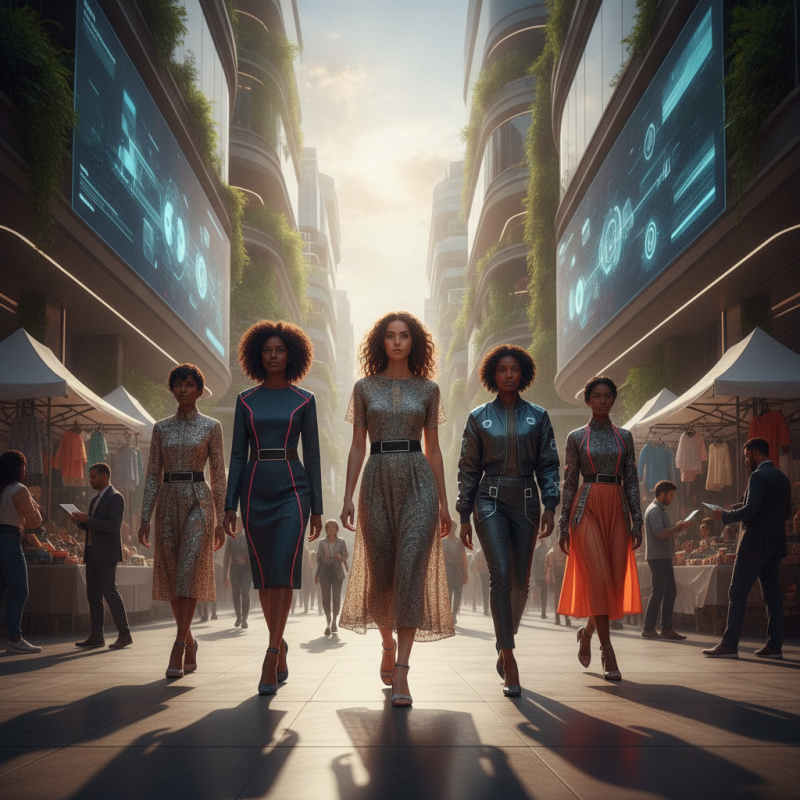
The rapid evolution of women's fashion in 2026 is largely driven by technological advancements. Digital fabrics, enabled by smart textile technology, have become integral in fashion design. A report from the Fashion Institute of Technology states that 75% of designers now use these materials. These fabrics can change color with temperature or even monitor health metrics. This versatility reshapes how we perceive clothing.
Furthermore, artificial intelligence plays a crucial role. AI algorithms analyze consumer behavior to predict trends. A McKinsey report highlights that fashion companies adopting AI see a 20% rise in sales. Virtual fitting rooms powered by augmented reality also enhance the shopping experience. They allow customers to visualize how garments will fit, reducing return rates significantly. Yet, reliance on technology raises questions about personal style. Are we losing individuality in the process?
The rise of social media influences fashion cycles as well. Trends now shift rapidly, often dictated by influencers rather than traditional seasons. According to a recent survey, 65% of millennials and Gen Z members follow fashion influencers. This creates a constant demand for fresh styles, leading to a culture of fast fashion. However, this speed raises ethical concerns. The industry's sustainability practices are under scrutiny, prompting a reassessment of what fashion should be.
Social media platforms have dramatically reshaped women's fashion trends in 2026. The vast reach of these platforms allows influencers and creators to showcase styles rapidly. As a result, trends evolve at breakneck speed, often driven by fleeting moments in pop culture. An outfit can gain popularity overnight, only to be replaced by another within days. This fast-paced evolution creates a dizzying landscape for consumers.
The rise of short-form video content has made fashion more accessible. Women now see a variety of styles from diverse backgrounds, sparking new ideas and trends. Platforms like TikTok are crucial, enabling users to mimic looks with ease. However, this constant change can lead to a sense of pressure. Many feel compelled to update their wardrobe frequently, which raises sustainability concerns. Fast fashion often results in waste, reflecting a contradiction in today’s style ethos.
Engagement with these platforms can be overwhelming. Women may struggle to find their personal style amidst the noise. It can lead to confusion about what truly represents them. The paradox of choice, where so many styles exist, can create anxiety rather than excitement. As trends flicker in and out, it prompts reflection on authenticity in fashion choices.
The evolution of women's fashion in 2026 is significantly influenced by
sustainability practices.
Reports indicate that about 75% of consumers
prioritize eco-friendly brands when making purchases. This shift towards sustainable fashion is reshaping
industry standards. Designers now focus on using
organic materials and adopting
recycling processes. The aim is to minimize waste and reduce carbon footprints.
Many brands are integrating circular economy principles
into their business models. This includes taking back old garments and recycling them into new products.
Research conducted by the Global Fashion Agenda found that sustainable practices can reduce the industry's
greenhouse gas emissions by 30% by 2030. Many consumers,
particularly millennials and Gen Z, are more aware of these environmental impacts. They demand
transparency and ethical practices from the brands they support.
Tip: Choose brands with certifications that highlight their
sustainability efforts. This can guide you toward ethical choices.
As fashion cycles accelerate, it's essential to balance trends
with responsible consumption. Sometimes, it feels overwhelming to navigate the options. Reflecting on your
purchasing habits helps in making more informed decisions.
Tip: Consider a capsule wardrobe.
Focusing on versatile pieces can reduce the need
for constant buying and promote sustainable choices.
In 2026, women's fashion reflects a profound shift in consumer behavior. This change results from women embracing their individuality more than ever. The rapid pace of social media influences contributes to this evolution. Trends are no longer dictated solely by seasonal collections but by real-time interactions online.
Tips: Stay informed on social media trends. Engage with influencers who resonate with your style. This connection can guide your fashion choices and keep you relevant.
Brands must adapt to this new dynamic. Fast fashion is under scrutiny for its impact on sustainability. Consumers increasingly prefer eco-friendly options. This shift shows that many prioritize the planet alongside style.
Tips: Explore sustainable brands that align with your values. Consider thrift shopping as a way to both look good and reduce waste.
Reviewing this landscape reveals gaps. Not every brand reflects the diversity of modern women. Some still cling to outdated notions of beauty. This disconnect creates opportunities for innovative designers to emerge and cater to unmet needs.
In 2026, women's fashion is evolving rapidly, driven by various economic factors. Global supply chains have become more agile. Designers are adapting quickly to consumer preferences, responding faster than ever. With the influence of social media, trends emerge and fade almost overnight. Instant gratification is a norm now, urging brands to keep pace.
Sustainability is a significant concern. Many consumers are now prioritizing eco-friendly choices. This shift pushes brands to reconsider their production strategies. Fast fashion is facing scrutiny, leading to a demand for slower, mindful production. Brands need to reflect on their impact on the environment and society.
Additionally, economic uncertainties play a role. Inflation affects purchasing power and influences buying habits. Younger consumers are more cautious with their spending. They seek value and quality over quantity. This trend creates a ripple effect, shaping what is produced and how quickly styles change. Reflection upon these factors reveals a complex relationship between consumer behaviors and the fashion industry. The future of fashion will require ongoing adaptation and thoughtful consideration.
: Social media platforms allow influencers to showcase styles quickly. Trends can change overnight, making fashion fast-paced.
Short videos make fashion accessible. They inspire women to try diverse styles and create new trends easily.
Yes, the pressure to keep up can lead to frequent wardrobe updates. This raises concerns about sustainability and waste.
Engaging with specific influencers can help. However, it may also cause confusion about individual authenticity in fashion.
Women are embracing individuality. Trends are influenced by real-time online interactions, not just seasonal collections.
Many are prioritizing eco-friendly options. They want style without harming the planet, reflecting a consciousness shift.
Brands must adapt to consumer demands for sustainability. Not all brands reflect modern women's diversity, presenting gaps.
Explore sustainable brands and thrift shopping. This reduces waste while still allowing for stylish choices.
It can create excitement but also anxiety. The paradox of choice may lead to confusion about what to wear.
There is a demand for brands that reflect modern diversity. Innovators can fill gaps left by traditional fashion brands.
In 2026, the question "why is women's fashion changing so quickly" can be attributed to several key factors. Technological advancements have revolutionized design and production processes, allowing for rapid prototyping and distribution of trends. Social media platforms play a pivotal role in influencing consumer preferences, creating an environment where styles can go viral overnight. Additionally, sustainability practices are increasingly driving women’s fashion evolution, as consumers demand environmentally friendly options that reflect their values.
Moreover, shifts in consumer behavior, such as a growing appetite for personalization and unique styles, drastically affect industry dynamics. Economic factors also contribute, as fluctuating markets encourage brands to adapt swiftly to maintain relevance. This confluence of technology, social influence, environmental consciousness, changing consumer expectations, and economic conditions underscores the rapid changes within women's fashion in 2026.

Crest Fashion