What is Sustainable Fashion for Women and Why Does it Matter?

Time:2026-06-06 Author:Ethan
0%

In recent years, the fashion industry has faced increasing scrutiny regarding its environmental impact. Sustainable fashion aims to minimize this impact while promoting ethical practices. But what is considered sustainable fashion for women? According to Dr. Kate Fletcher, a renowned expert in sustainable fashion, “Sustainable fashion is about rethinking how we produce, use, and dispose of clothing.” This perspective encourages deeper reflection on consumer behavior.

Many women are now seeking clothing that aligns with their values. This shift often encompasses eco-friendly materials, fair labor practices, and transparent supply chains. However, the definition of sustainable fashion can vary widely. Some brands may claim sustainability while still engaging in questionable practices. This ambiguity can confuse consumers trying to make responsible choices.

The journey towards sustainable fashion is complex. It challenges both designers and shoppers to reconsider what clothing means to them. Beyond aesthetics, it raises questions about consumption and disposability in a fast-paced world. As women navigate this evolving landscape, understanding what is considered sustainable fashion for women is crucial for making informed decisions.
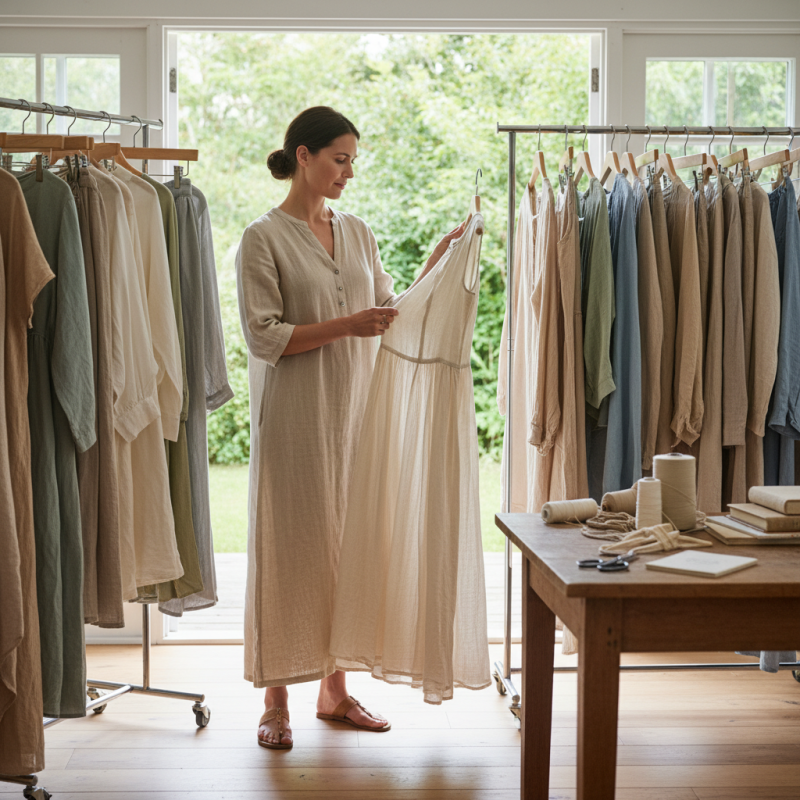
What is Sustainable Fashion for Women and Why Does it Matter?

Defining Sustainable Fashion: Principles and Practices for Women

Sustainable fashion for women embraces eco-friendly materials and ethical production practices. It focuses on reducing the negative impacts of garment production. Materials like organic cotton, linen, and recycled fabrics are essential. These choices lessen pollution and conserve water.

Transparency in the supply chain is crucial. Consumers should know where and how their clothing is made. Fair labor practices are vital. Workers should receive fair wages and safe working conditions. When women support brands that prioritize these values, they drive change.

Yet, challenges persist. Many consumers find sustainable options more expensive. This leads to difficult choices in purchasing. Additionally, the concept of sustainable fashion can feel abstract. Education is needed to make it more accessible and practical. Women can play a significant role in this evolution. They can advocate for change while reflecting on their consumption habits. Every purchase matters.

What is Sustainable Fashion for Women and Why Does it Matter?

Sustainable Fashion Principles Description
Eco-Friendly Materials Using organic, recycled, or sustainably sourced fabrics to minimize environmental impact.
Ethical Labor Practices Ensuring fair wages and safe working conditions for all workers throughout the supply chain.
Waste Reduction Implementing practices that reduce excess waste through recycling, upcycling, and mindful production.
Timeless Design Creating versatile and classic styles that endure beyond seasonal trends to promote longevity.
Transparency Providing clear information about the sourcing, production processes, and materials used.

The Environmental Impact of Fast Fashion: Key Statistics and Data

The fashion industry has a heavy toll on the environment. Fast fashion contributes to massive waste and pollution. In fact, textile production is responsible for up to 10% of global carbon emissions. Each year, millions of tons of clothing end up in landfills. This staggering statistic should serve as a wake-up call for consumers.

Many women are now seeking sustainable options. They choose quality over quantity, aligning their values with their purchases. Consider shopping second-hand or supporting eco-friendly brands. This can reduce your wardrobe's environmental footprint.

Tips: Invest in versatile pieces that last longer. A well-made dress or pair of shoes can serve multiple occasions. Evaluate your buying habits. Reflect on what you truly need before making a purchase. It's about making mindful choices. Small changes add up over time and can lead to significant impact.

Sustainable Fashion Impact vs. Fast Fashion Impact

This chart illustrates the environmental impact of sustainable fashion compared to fast fashion, highlighting key statistics on water usage, CO2 emissions, waste, and chemical use. The data emphasizes the significant reduction in environmental burden that sustainable fashion practices can provide.

Social Responsibility in Fashion: Labor Practices and Women's Rights

Sustainable fashion for women is more than a trend. It embodies social responsibility, particularly concerning labor practices and women's rights. Many women worldwide work in the fashion industry, often facing perilous conditions. Fair wages and safe working environments are critical issues. Unfortunately, these aspects are frequently overlooked.

Many women depend on fashion for their livelihood. However, they often encounter exploitation. Awareness can spark change. Supporting ethical brands is essential. We can make informed choices that uplift women's rights.

Tips for conscious shopping:

  • Research brands that prioritize ethical labor practices.
  • Look for certifications related to fair labor.
  • Consider second-hand options to reduce demand.

Sustainable practices matter because they ensure the dignity of workers. As consumers, we wield power through our choices. Reflecting on our impact is necessary. Each purchase influences someone else's life. Let's strive to buy responsibly and support women's rights in fashion.

Innovative Materials: Sustainable Fabrics Transforming Women's Fashion

Sustainable fashion is evolving rapidly, especially in women’s wear. Innovative materials play a crucial role in this transformation. Fabrics made from recycled plastics, organic cotton, and bamboo are gaining popularity. These materials not only reduce waste but also minimize the environmental footprint of clothing production.

Consider the impact of synthetic fibers. They contribute to microplastic pollution. Sustainable alternatives, however, offer a path forward. For example, Tencel, derived from wood pulp, is biodegradable and softer than traditional fabrics. It provides aesthetics without sacrificing the planet. This shift reflects a growing consciousness among consumers.

Yet, challenges remain. Not all sustainable practices are equally effective. Some so-called eco-friendly materials may still harm ecosystems. Awareness and education are key in navigating this complex market. As consumers, we must question the origins of our clothes. Exploring sustainable fabrics is an important step towards a more ethical wardrobe.

Consumer Awareness and Trends: The Rise of Eco-conscious Shopping Choices

Sustainable fashion for women reflects a growing awareness of environmental issues. Many consumers now seek eco-conscious choices in their clothing. This shift is not just a trend; it represents a critical change in buying habits. People are increasingly informed about the impacts of fast fashion. They recognize the harm it does to both the planet and workers.

Eco-conscious shopping means considering the materials, production methods, and ethical labor practices. Shoppers are gradually choosing brands that prioritize sustainability. However, this journey is not without challenges. Many struggle to find reliable information about sustainable options. The overwhelming amount of marketing can create confusion. It’s essential to educate ourselves and question the authenticity behind eco-friendly claims.

The rise of sustainable fashion also invites reflection on our desires. Are we purchasing out of necessity or convenience? Understanding our motivations can foster better choices. Consumers are encouraged to be mindful of their impact. This awareness can lead to a more sustainable future and a healthier planet. It’s a complex path but worth exploring for the sake of the environment.

FAQS

: What defines sustainable fashion for women?

: Sustainable fashion uses eco-friendly materials and ethical production practices. It aims to reduce garment production's negative impacts.

Why is transparency important in fashion?

Transparency helps consumers understand where and how their clothing is made. It promotes fair labor practices.

What materials are considered sustainable?

Organic cotton, linen, and recycled fabrics are essential. They reduce pollution and conserve water.

Why do sustainable options often cost more?

Many consumers find sustainable items more expensive. This creates difficult purchasing decisions.

How can consumers advocate for sustainable fashion?

Consumers should support brands prioritizing ethical practices. Every purchase choice can drive change.

What issues can arise with so-called eco-friendly materials?

Not all sustainable practices are effective. Some materials may still harm ecosystems.

How do innovative materials transform women's fashion?

Fabrics from recycled plastics and bamboo minimize environmental footprints and reduce waste.

What is the impact of synthetic fibers in clothing?

Synthetic fibers contribute to microplastic pollution. Sustainable alternatives offer a better solution.

How does consumer education affect sustainable fashion?

Education helps consumers navigate complex choices. Awareness is key to making informed decisions.

What role do women play in sustainable fashion?

Women can advocate for change while reflecting on their consumption habits. Their choices matter.

Conclusion

Sustainable fashion for women is defined by principles and practices that prioritize environmental and social responsibility. It encompasses the use of innovative materials that minimize ecological impact, such as organic fabrics and recycled fibers, while also promoting ethical labor practices that ensure women's rights in the fashion industry. The environmental repercussions of fast fashion have become increasingly evident, with alarming statistics highlighting its contribution to pollution and waste.

Furthermore, a growing trend toward eco-conscious shopping choices demonstrates consumer awareness regarding what is considered sustainable fashion for women. As more individuals seek to align their purchasing decisions with values of sustainability, the demand for ethically produced apparel continues to rise, ultimately shaping the future of the fashion landscape. By understanding these principles, consumers can make informed choices that contribute to a more sustainable world.

Ethan

Ethan

Ethan is a seasoned marketing professional with a deep expertise in our company's innovative product line. With a passion for sharing knowledge and insights, he takes the lead in regularly updating our corporate blog, where he explores industry trends, product features, and effective marketing......