What Makes Luxury Women's Fashion Unique for Global Buyers?

Time:2026-07-08 Author:Aria
0%

In the realm of fashion, luxury women's wear stands out for its unique qualities. The global luxury market is projected to grow at a compound annual growth rate of 5% from 2021 to 2026, highlighting a strong demand among consumers. This underscores the question of what makes luxury women's fashion different. High-quality materials, expert craftsmanship, and exclusive designs are essential elements. Brands often emphasize heritage and storytelling to connect with buyers emotionally.

Moreover, consumer behavior influences this sector significantly. A report by Bain & Company indicates that the personal luxury goods market surged to €281 billion in 2019, showing a growing inclination towards sustainable and ethical practices. Yet, the overemphasis on exclusivity may alienate some potential buyers. Not every brand successfully balances luxury with inclusivity. Addressing these challenges is crucial for evolving market strategies.

In this dynamic environment, understanding the differentiators becomes paramount. The allure of luxury women’s fashion lies not just in the products but also in the experiences and values they embody. Therefore, examining what makes luxury women's fashion different will shed light on emerging trends and changing consumer preferences.
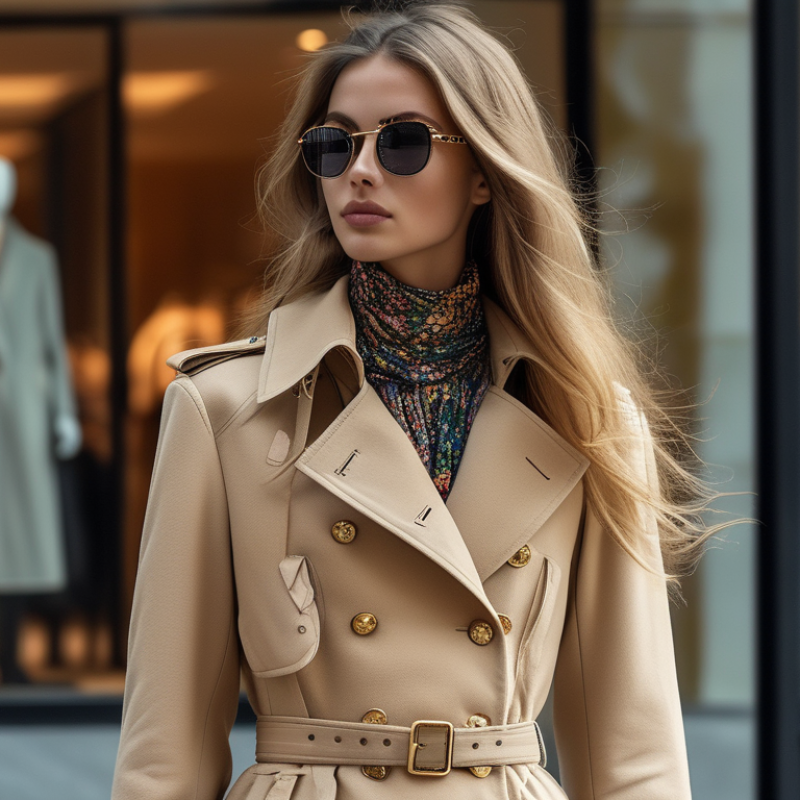
What Makes Luxury Women's Fashion Unique for Global Buyers?

Defining Luxury Women's Fashion in a Global Context

Luxury women's fashion holds a unique place in the global market. It is defined by quality, exclusivity, and design. According to a recent report by Bain & Company, the global luxury goods market is set to grow by 6% to 8% annually through 2025, propelled by demand from emerging markets. This growth reflects evolving consumer preferences and an increased appetite for high-quality, unique pieces.

Cultural influences shape luxury fashion, making it vital for brands to understand diverse consumer behaviors. In Asia, for instance, social media plays a significant role in shaping perceptions of luxury. A study conducted by McKinsey notes that 40% of luxury purchase decisions are influenced by digital channels. This data highlights the need for brands to focus beyond traditional retail strategies.

Despite this growth, challenges persist. Sustainability remains a pressing issue for consumers, with about 65% of buyers indicating a desire for eco-friendly production methods. Luxury brands must reassess their practices to align with these values. There is an ongoing debate about the balance between exclusivity and accessibility. Many buyers now seek both luxury and social responsibility, indicating a shift in what defines luxury in today’s context.

Luxury Women's Fashion Trends by Region (2023)

Cultural Influences on Luxury Fashion Preferences Worldwide

In today’s global market, luxury women's fashion is profoundly shaped by cultural influences. Different regions express their identity through fashion choices, reflecting traditions, values, and social status. For example, a report by Bain & Company noted that 75% of luxury sales growth comes from markets in Asia, emphasizing the role of cultural identity in purchasing decisions.

Consumer preferences vary widely. In Europe, minimalistic designs are celebrated, while in the Middle East, lavish embellishments are favored. Cultural narratives influence these trends, making it crucial for global brands to adapt. Localized marketing strategies can resonate better with diverse audiences. The McKinsey Global Fashion Index suggests that tapping into regional aesthetics can drive sales by up to 30% in specific markets.

Tips: Brands must invest in understanding local cultures. A cultural consultant can provide insights into preferences. Engaging with local influencers is also crucial. Their knowledge can guide brands in creating culturally relevant campaigns effectively. Consider organizing workshops to understand community values deeply. This approach enhances brand loyalty and cultural sensitivity.

The Role of Branding and Heritage in Luxury Women's Fashion

Branding plays a crucial role in luxury women's fashion. It is not just a logo or a name; it conveys a story, a lifestyle. Buyers are often attracted to the narratives behind the brands. These narratives may involve rich histories, artisanal craftsmanship, and cultural significance. The emotional connection is powerful. Women are drawn to pieces that resonate with their identities.

Heritage adds layers to the allure of luxury fashion. Many luxury brands use traditional techniques passed down through generations. This dedication to detail reflects authenticity and quality. Global buyers appreciate this heritage, making their purchases feel meaningful. When they wear such pieces, it feels like wearing a part of history. Yet, not all brands embrace their heritage genuinely. Some may only use it as a marketing tactic. This can lead to distrust among discerning customers.

Luxury fashion requires a deep understanding of local and global markets. Buyers expect brands to respect cultural nuances. This expectation challenges brands to evolve while remaining true to their roots. In this ever-changing landscape, brands must navigate this balance carefully. It is a constant process of reflection and adaptation.

Sustainability and Ethical Practices in Global Luxury Markets

Sustainability in luxury women's fashion is reshaping global markets. Recent reports reveal that 66% of consumers are willing to pay more for sustainable brands. This shift shows a demand for ethical practices that prioritize the environment and social responsibility.

Fashion brands are increasingly adopting sustainable materials and transparent supply chains. Many companies now use organic cotton, recycled fabrics, and even biodegradable options. However, the industry still faces challenges. For instance, not all “sustainable” labels meet rigorous standards. Consumers need to be vigilant and research brands' practices.

**Tip:** Look for certifications. Certifications like GOTS or Fair Trade can guide ethical consumer choices.

A growing awareness of fashion’s environmental impact has emerged. The UN reported that the fashion industry accounts for 10% of global carbon emissions. This statistic highlights a critical need for change. Many brands are striving to reduce waste and promote circular fashion. Yet, the path to full sustainability remains imperfect and requires ongoing consumer pressure and innovation.

**Tip:** Support brands that share their sustainability journey. Transparency fosters accountability and trust.

What Makes Luxury Women's Fashion Unique for Global Buyers? - Sustainability and Ethical Practices in Global Luxury Markets

Dimension Description Current Trends Percentage Impact
Sustainability Focus on eco-friendly materials and processes Increased use of organic fabrics 65%
Ethical Production Fair labor practices and working conditions Transparency in supply chain 70%
Cultural Sensitivity Awareness of diverse cultural norms and values Localized collections 55%
Consumer Awareness Growing interest in sustainability and ethics Social media influence 80%
Luxury Market Growth Expansion in emerging markets Online luxury shopping increases 90%

Consumer Behavior Trends Among Luxury Women's Fashion Shoppers

Luxury women's fashion is witnessing a remarkable shift in consumer behavior. Recent studies show that 70% of women prioritize sustainability when shopping for luxury items. This change is reshaping the market landscape. Modern consumers are more educated about the impact of their choices. They seek brands that align with their values.

Personalization has become essential in the luxury segment. A survey indicated that 65% of shoppers are more likely to buy from a brand that offers customized options. This demand reflects a desire for unique experiences. Buyers want to feel special in their choices. However, many brands struggle to meet these expectations consistently.

Additionally, social media influences purchasing decisions significantly. Around 80% of luxury consumers report that online platforms drive their interest in brands. However, this reliance on influencers can lead to inconsistent brand messaging. As brands navigate these complex consumer behaviors, understanding their audience remains crucial. The luxury market is evolving rapidly, yet obstacles still challenge effective customer engagement.

FAQS

: What role does branding play in luxury women's fashion?

: Branding conveys a story and lifestyle, not just a logo. Emotional connections attract buyers.

How does heritage influence luxury fashion?

Heritage adds authenticity. Many brands use traditional techniques, reflecting quality and history.

Are all brands authentic in their use of heritage?

No, some brands may misuse heritage as a marketing tool. This can erode consumer trust.

What is the consumer expectation regarding sustainability?

Most consumers prefer sustainable brands. They are willing to pay more for ethical practices.

What should consumers look for to ensure brands are truly sustainable?

Look for certifications like GOTS or Fair Trade, as they indicate ethical practices.

How significant is the fashion industry's environmental impact?

It accounts for 10% of global carbon emissions, indicating a strong need for sustainable change.

What consumer trends are emerging in luxury shopping?

Many women prioritize sustainability and seek brands aligning with their values. This redefines the market.

How important is personalization in luxury fashion?

Personalization is essential, with many shoppers wanting unique options to feel special in their purchases.

How does social media impact luxury purchasing decisions?

Around 80% of consumers say social media influences their brand interest, leading to mixed messaging.

What challenges do luxury brands face today?

Brands struggle to keep up with consumer expectations and navigate evolving behaviors in an online environment.

Conclusion

The article explores what makes luxury women's fashion different in a global context by examining various key factors. It begins with defining luxury women's fashion, emphasizing its exclusivity and high-quality craftsmanship, which set it apart from mainstream offerings. Cultural influences play a crucial role, as preferences and tastes vary significantly across regions, shaping how garments are perceived and valued.

Additionally, the importance of branding and heritage is highlighted, illustrating how a brand's story and legacy contribute to its prestige and allure. The rise of sustainability and ethical practices in luxury markets is another significant trend, as consumers increasingly seek responsible choices that align with their values. Finally, the article addresses consumer behavior trends, showing how luxury women's fashion shoppers are becoming more discerning and informed, ultimately influencing their purchasing decisions in a highly competitive landscape.

Aria

Aria

Aria is a dedicated marketing professional with a deep passion for innovative strategies and a keen understanding of our company's product offerings. With a wealth of experience in the industry, Aria excels at crafting engaging content that highlights the unique features and benefits of our......