In 2026, understanding why does clothing fit vary between brands has become essential for consumers. With a wide range of brands offering diverse sizing standards, many shoppers find themselves frustrated when trying to find the perfect fit. This article explores the intricacies behind these variations.
Manufacturers often use different sizing systems and patterns, leading to inconsistencies. Some brands favor a more tailored look, while others opt for a looser fit. Additionally, the use of different materials affects how clothes mold to the body. It can be challenging to navigate these disparities, especially when shopping online without trying items on.
As fashion evolves, brands may prioritize style over fit or vice versa. This shift can leave customers questioning their choices. While some brands maintain an accurate sizing strategy, others seem less reliable. It is important for consumers to reflect on these inconsistencies and consider their personal preferences. Understanding these factors aids in making informed purchasing decisions, ultimately leading to a more satisfying wardrobe.
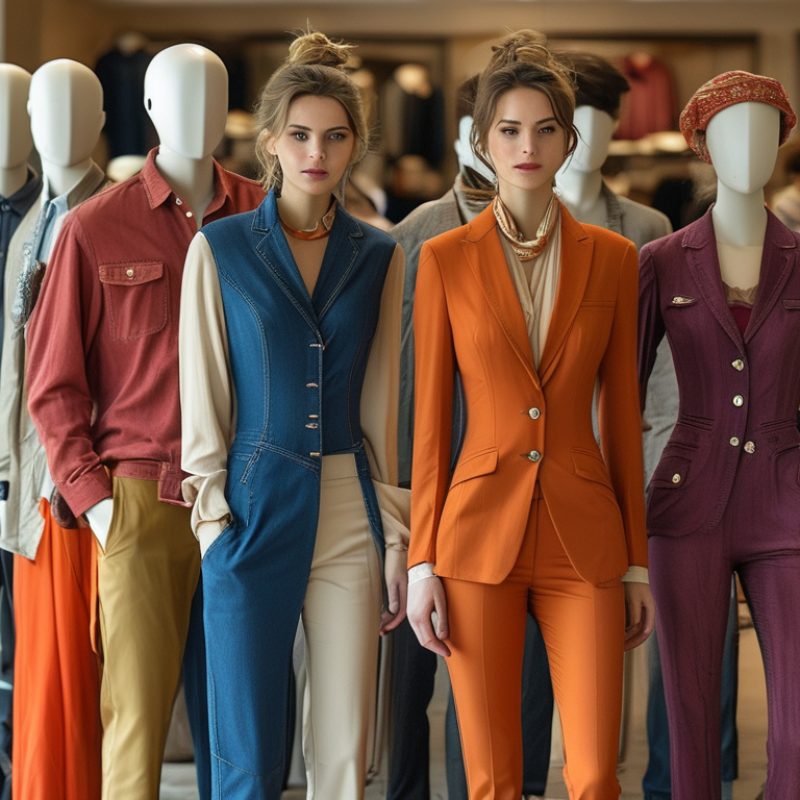
Differences in Sizing Standards Across Clothing Brands
Clothing fit can vary significantly between brands, largely due to differences in sizing standards. According to a 2023 report from the Apparel Size and Fit Industry Consortium, nearly 70% of consumers have experienced sizing inconsistencies while shopping. This lack of uniformity can be attributed to the absence of a single, standardized sizing system across the fashion industry.
Many brands use distinct sizing charts that reflect their unique target markets and design philosophies. For instance, some brands prioritize a snug fit while others lean towards more relaxed styles. A 2022 study indicated that women often find sizes ranging from Medium to Extra-Large vary widely. This confusion can lead to frustration and disappointment. Often, shoppers return items inaccurately labeled as "true to size."
Despite efforts to improve fit accuracy, the industry still struggles. Size inflation, where sizes are labeled smaller than they actually are, has been reported by 40% of shoppers. While consumers desire consistent sizing, brands face challenges in balancing aesthetic design and consumer expectations. Accurate representation and better fit remain essential, influencing future industry practices. Understanding these discrepancies is key for consumers as they navigate the diverse landscape of modern clothing brands.
Influence of Cultural Variations on Clothing Fit in 2026
Cultural variations significantly influence clothing fit in 2026. Different societies hold unique body ideals. These ideals impact how brands design their clothing. For example, Western cultures may emphasize a slimmer silhouette. In contrast, some Eastern cultures prefer looser, more relaxed fits. This divergence results in inconsistent sizing across brands.
Additionally, body shapes vary globally due to genetics and lifestyle. For example, a brand targeting Asian consumers might create garments that accommodate broader hips. Brands must navigate these differences carefully. Many face criticism for failing to provide inclusive sizing. This underscores the need for dialogue between designers and consumers.
Consumer feedback can drive change in brand practices. Diversity in body types should reflect in clothing lines. Brands are learning there is no one-size-fits-all solution. They must adapt to cultural expectations. Acknowledging this complexity can improve customer satisfaction. However, brands also face challenges in measuring fit accurately across different markets. It’s a continual learning process.
Impact of Fabric Technology on Fit and Comfort
In 2026, the interplay between fabric technology and garment fit has become increasingly complex. Advances in textile engineering have led to innovative materials that adapt to various body types. These fabrics often include microfibers and elastane blends, providing stretch and comfort. However, the adoption of these technologies varies widely among different brands.
Fit issues often arise from inconsistent sizing systems. While one brand may utilize a specific approach to measurements, another might follow a different set of standards. This can frustrate shoppers who expect uniformity in sizes. Additionally, the comfort level is influenced by fabric breathability and durability. A garment made with advanced moisture-wicking technology may feel quite different compared to its traditional counterpart.
Tip: When shopping, prioritize brands that provide detailed sizing charts. Measure yourself and compare these figures to ensure a better fit. This small step can save you time and hassle.
Another factor is the way fabric behaves with movement. Some blends stretch and mold to your body while others may restrict movement. Understanding these differences can enhance your overall clothing experience. Look for reviews mentioning comfort and fit to guide your choices.
Tip: Experiment with different cuts and styles. Trying on various types can reveal what really suits your unique shape. Don’t settle for a one-size-fits-all mentality.
Consumer Expectations and Brand Response to Fit Issues
In 2026, consumers face increasing frustrations regarding clothing fit across various brands. A recent industry report states that nearly 70% of shoppers feel dissatisfied with online fit. As e-commerce surges, the expectation for accurate sizing remains unmet, leading to higher return rates. Surprisingly, 30% of purchased items are returned due to incorrect fit. This staggering figure highlights a persistent disconnect between consumers and brands.
To address these fit issues, brands are turning to data analytics and customer feedback. Surveys reveal that 85% of shoppers prioritize a consistent fit when choosing a brand. Many companies are now investing in advanced technology to analyze body measurements and shape. However, consumer expectations are evolving faster than many brands can adapt. Some studies suggest that brands are losing up to 20% of their sales due to poor fit experiences.
This situation demands a closer examination. Not all brands are invested in utilizing innovative solutions. Some continue to rely on traditional sizing charts that fail to account for variations in body types. The gap in understanding consumer needs can lead to missed opportunities for growth. Without substantial changes, the cycle of dissatisfaction may perpetuate, forcing consumers to look elsewhere for reliable fit.
Why Does Clothing Fit Differ Between Brands in 2026? - Consumer Expectations and Brand Response to Fit Issues
| Brand |
Fit Assessment (1-5) |
Consumer Complaints (%) |
Return Rate (%) |
Adaptation Measures Implemented |
| Brand A |
3 |
25% |
15% |
Increased size range; altered fits |
| Brand B |
4 |
15% |
10% |
Introduced custom fitting options |
| Brand C |
2 |
35% |
20% |
Feedback surveys; resizing efforts |
| Brand D |
5 |
10% |
5% |
Regular fittings and adjustments |
The Role of Data Analytics in Designing Better Fit Solutions
In 2026, the landscape of clothing fit is evolving significantly due to advancements in data analytics. Brands are increasingly utilizing big data to understand consumer preferences. This technology helps them identify how body shapes vary across demographics. As a result, the inconsistency in fit among different brands is beginning to diminish.
Data analytics allows for more precise sizing models. By collecting information on customer feedback and purchasing patterns, brands can refine their fit solutions. This process involves deep analysis—looking beyond average sizes into individual measurements. However, not all brands utilize this data effectively. Some still rely on traditional sizing methods, which may not resonate with today's diverse body types.
Tip: Always check your measurements before making purchases. Sizes vary widely across brands, so knowing your exact dimensions can save time and frustration.
While data has improved fit design, it is not without flaws. Relying solely on algorithms can overlook the unique preferences of individual customers. There's a risk of becoming too data-driven, forgetting the human touch in fashion.
Tip: Consider trying on clothes in-store when possible. This step can reveal how fit varies beyond what any data model can predict. Embracing both data and personal experience can lead to better fit solutions in the long run.
Conclusion
The article "Why Does Clothing Fit Differ Between Brands in 2026?" explores the multifaceted reasons behind the variations in clothing fit among different brands. One significant factor is the differences in sizing standards, which can lead to confusing size labels and inconsistent fit across various retailers. Additionally, cultural variations play a crucial role, as diverse body types and regional preferences influence how clothing is designed and tailored.
Advancements in fabric technology have also transformed comfort and fit, allowing for more adaptable clothing that responds to body movements. As consumers become increasingly aware of fit issues, brands are adapting their strategies to meet these expectations, often utilizing data analytics to create better-fitting solutions. Ultimately, understanding why does clothing fit vary between brands involves considering these factors, which together contribute to the continuous evolution of the fashion industry.

 Crest Fashion