China Top 10 How to Build a Womens Capsule Wardrobe?

Time:2026-10-28 Author:Sophia
0%

Building a practical wardrobe can feel harder than buying more clothes. This guide explores how to build a women's capsule wardrobe with a clear, realistic approach. It focuses on versatile pieces, reliable fabrics, and outfits that suit daily life in China. Office commutes, humid summers, cool winters, and changing social plans all affect clothing choices.

A strong capsule wardrobe may include a white shirt, tailored trousers, dark jeans, a light jacket, comfortable knitwear, and simple shoes. Each item should work with several others. For example, one navy blazer can support a work outfit, a weekend look, or a dinner combination. Neutral colors create flexibility, while one or two personal shades prevent the wardrobe from looking dull. Small details matter, including breathable cotton, secure buttons, useful pockets, and accurate sizing.

This outline presents ten practical ideas for building a more intentional wardrobe. It considers shopping quality, seasonal rotation, maintenance, and personal comfort rather than chasing every trend. Not every popular “essential” will suit every woman. That is worth remembering. A petite frame, a formal workplace, or frequent travel may require different choices. Some recommendations may also need adjustment after real wear, washing, and weather changes. The best capsule wardrobe is not perfectly minimal. It is dependable, comfortable, and honest about how you actually live.#+#+#+#+
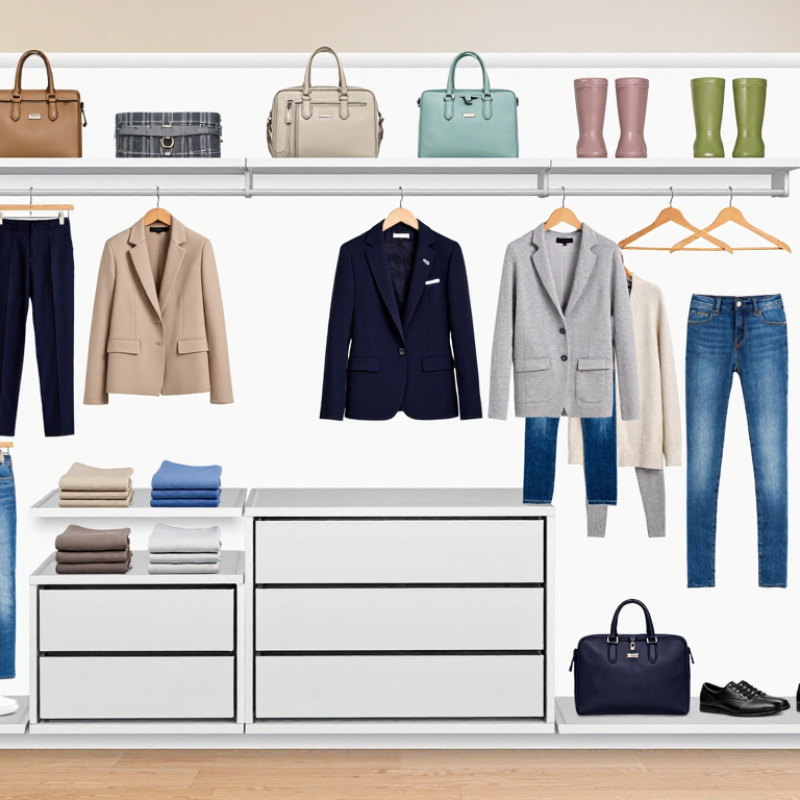
China Top 10 How to Build a Womens Capsule Wardrobe?

Define the Purpose and Lifestyle Needs of a Women’s Capsule Wardrobe

Define the Purpose and Lifestyle Needs of a Women’s Capsule Wardrobe

A capsule wardrobe should support real routines, not an imaginary perfect lifestyle. In my wardrobe planning experience, the best starting point is a weekly schedule. A woman working in an office may need tailored trousers, soft knitwear, and one polished jacket. Someone caring for children may value washable fabrics, flexible layers, and comfortable shoes. A wardrobe for humid city weather needs breathable materials and quick-drying pieces. Purpose comes before color trends.

Look at seven ordinary days. Count commuting, meetings, errands, exercise, and social events. Then identify clothing gaps, such as a lightweight rain layer or a reliable neutral top. Choose pieces that create at least three outfits. This simple test reduces impulse purchases. Still, a capsule wardrobe is not automatically economical. Poor fabric quality can cause fading, pilling, or uncomfortable heat. I have also found that owning too few items can create laundry pressure. That part deserves honest reflection.

Tips:

Write down your actual activities before shopping. Keep only colors that work with your existing clothes. Test movement by sitting, walking, and reaching. Leave space for one personal piece, even if it breaks the color plan. Perfection is unnecessary. A useful wardrobe should make Tuesday morning easier, not impose strict rules.

Assess China’s Climate, Culture, Workwear, and Daily Activities

China Top 10: How to Build a Women’s Capsule Wardrobe

A useful capsule wardrobe in China must respond to local weather, not just fashion images. Southern cities often bring humid summers, sudden rain, and mild winters. Northern areas may have dry air, strong winds, and freezing temperatures. Choose breathable cotton, washable knits, and one light waterproof layer. A linen shirt feels comfortable in Guangzhou, but it may wrinkle badly during a long commute.

Culture also shapes practical dressing. Many workplaces prefer polished, modest clothing without excessive decoration. A straight skirt, relaxed trousers, and a fine cardigan can move from office meetings to evening meals. Neutral colors are reliable, but deep red, soft blue, or olive can add personality. Check the dress expectations of each workplace. They are not identical.

Daily routines deserve equal attention. Walking to a metro station requires comfortable shoes and flexible trousers. Air conditioning makes a thin layer useful, even in July. For frequent business travel, select fabrics that recover from folding. A compact umbrella and a washable scarf can protect against rain and dust. My first capsule plan included too many delicate pieces. That looked elegant, but it failed on crowded transport and busy laundry days. A better wardrobe allows repeat wear, quick cleaning, and small seasonal changes. Loose cuts may suit hot weather, though they can look untidy without careful tailoring. Fit still needs testing in real movement.

China Top 10 How to Build a Women's Capsule Wardrobe? — Assess China's Climate, Culture, Workwear, and Daily Activities

A practical, climate-aware wardrobe framework for urban life, professional settings, commuting, and seasonal travel across China.

No. Capsule Wardrobe Item Suggested Quantity Climate and Seasonal Logic in China Culture and Workwear Considerations Recommended Materials and Features Daily Activities and Styling Use
1 Breathable Short-Sleeve Tops 4–6 Essential for hot and humid summers in southern and eastern cities such as Guangzhou, Shenzhen, Shanghai, and Hangzhou. Useful under layers in northern spring and summer. Choose modest necklines and opaque fabrics for offices, meetings, and family occasions. Neutral colors increase outfit combinations. Cotton, linen blends, Tencel, or moisture-managing knits; relaxed but polished fit; machine-washable construction. Works with trousers, skirts, jeans, cardigans, and light jackets for commuting, shopping, cafés, and casual workplaces.
2 Smart Blouses or Structured Shirts 2–3 Suitable year-round when selected in different weights: lightweight versions for humid summers and denser versions for spring or autumn. A neat collar, moderate coverage, and non-transparent fabric suit office dress codes, interviews, presentations, and formal social events. Cotton poplin, silk-blend, viscose, or wrinkle-resistant woven fabric; optional Mandarin-style collar for a contemporary local reference. Pairs with tailored trousers, pencil skirts, wide-leg pants, or a blazer; transitions easily from office to dinner.
3 Tailored Trousers 2–3 A core choice for variable weather, public transport, cycling, and air-conditioned interiors. Wool-blend trousers suit cool northern seasons; lighter blends suit warmer regions. Generally more practical and widely accepted than very short hemlines for conservative workplaces and business travel. Stretch wool, recycled polyester, cotton twill, or viscose blends; mid- or high-rise waist; wrinkle resistance and secure pockets. Use one dark pair for formal settings and one lighter or wider pair for commuting, weekends, and casual offices.
4 Midi Skirt or Modest Everyday Dress 1–2 A midi length provides airflow in warm weather while offering coverage during strong sunlight, rainy commutes, and visits to cultural or religious sites. Knee-to-midi lengths and secure necklines are versatile for offices, family gatherings, formal meals, and sightseeing. Breathable woven fabric with lining where needed; side pockets; comfortable waistband; avoid fabrics that become transparent when wet. Wear with a blouse and flats for work, or with a cardigan and sneakers for museums, parks, and weekend travel.
5 Lightweight Cardigan or Fine-Knit Layer 1–2 Important because offices, shopping centers, trains, and restaurants often use strong air conditioning during warm months. Also useful in spring and autumn. A polished layer improves coverage over sleeveless tops and supports conservative office styling without adding much bulk. Fine cotton, modal, merino wool, or breathable viscose; compact enough for a work bag; neutral or muted accent color. Layer over shirts, dresses, and tops for commuting, long train journeys, indoor work, and evening outings.
6 Versatile Blazer or Refined Overshirt 1 Best for spring, autumn, and air-conditioned interiors; choose an unlined or lightweight version for warmer southern cities. Creates a professional silhouette for interviews, business meetings, office presentations, and formal appointments without requiring a full suit. Unstructured wool blend, linen blend, or wrinkle-resistant woven fabric; single-breasted cut; practical inner and outer pockets. Elevates jeans, trousers, skirts, and dresses; useful for work, networking, travel, and smart-casual events.
7 Weather-Resistant Outer Layer 1 A packable water-resistant jacket is valuable during the plum-rain period in eastern China, summer rain in the south, and changeable spring or autumn weather. A clean, minimal design is more adaptable than sportswear-only styling and can be worn over office clothing. Breathable coated fabric, sealed or protected seams, adjustable hood, quick-drying surface, and compact storage design. For walking, cycling, public transport, sightseeing, and unexpected rain; layer over workwear or casual clothing.
8 Warm Mid-Layer or Lightweight Down Jacket 1 Needed for cold northern winters, high-altitude areas, and chilly transitional seasons. In milder southern cities, a thin insulated layer is usually more practical than a heavy coat. A simple silhouette works over office clothing and avoids excessive bulk on crowded buses, metro systems, and trains. Light insulation, wind resistance, compressibility, secure pockets, and a length that protects the hips while allowing movement. Wear over knitwear or under a heavier coat for commuting, winter travel, outdoor markets, and evening walks.
9 Comfortable Closed-Toe Walking Shoes 1–2 pairs Useful across hot, rainy, cold, and highly walkable urban environments. A water-resistant pair is especially practical during wet seasons. Closed-toe styles look appropriate in many offices and provide protection when using crowded public transport or walking on uneven pavements. Cushioned footbed, supportive sole, breathable lining, low heel, and easy-care upper; select one polished pair for work. One neutral pair can cover commuting, office wear, sightseeing, shopping, and casual dining.
10 Functional Scarf, Tights, and Compact Accessories 2–4 total pieces Small accessories adapt the same wardrobe to northern cold, southern air conditioning, strong sunlight, wind, and shoulder-season temperature changes. Scarves and modest layering pieces add coverage and color while remaining suitable for offices, family events, and cultural visits. Choose breathable cotton or silk blends for warm weather, merino or cashmere blends for cold weather, opaque tights, and a compact crossbody bag. Use to refresh neutral outfits, carry essentials securely, and increase comfort during long commutes and travel days.

Planning principle: Begin with a neutral base of approximately 20–25 mix-and-match garments, then adjust insulation, rain protection, and fabric weight for the local climate. Northern China generally requires stronger cold-weather layering, while southern and eastern regions place greater emphasis on breathability, humidity management, and rain protection.

Select the Top 10 Essential Clothing Pieces

Building a women’s capsule wardrobe in China requires flexible pieces for changing weather, commuting, and social occasions. Fabric and fit matter more than quantity. After testing wardrobes through humid summers and cool northern winters, I recommend ten essentials: a white cotton shirt, a fitted T-shirt, a fine-knit top, a neutral cardigan, a tailored blazer, straight-leg trousers, dark jeans, a midi skirt, a simple day dress, and a lightweight trench coat.

Keep the shirt slightly relaxed for office layering. Choose breathable cotton for summer, but check its shrinkage before buying. A fitted T-shirt should hold its shape after washing. The knit top adds warmth without bulky sleeves. A cardigan works on air-conditioned trains and chilly evenings. The blazer should allow comfortable arm movement. That small detail is often missed.

Straight trousers create a clean line and suit many shoes. Dark jeans provide durability, although they may feel too warm in southern summers.

The midi skirt adds movement and works with both shirts and knitwear. A simple dress saves time on busy mornings. Add pockets when possible. The lightweight trench handles spring rain and sudden temperature changes. Neutral colors make these pieces easier to combine, but one personal color can prevent the wardrobe from feeling dull. I once chose too many pale items and regretted the difficult maintenance. Wash according to care labels, repair loose buttons early, and review each piece after several wears. A capsule wardrobe should support real routines, not an idealized lifestyle.

Build Coordinated Outfits with Suitable Colors and Layering

A women’s capsule wardrobe works best when every piece can join at least three outfits. I usually begin with a quiet color base: charcoal, cream, navy, soft white, or warm brown. Choose two accent colors that suit your skin and daily surroundings. Muted green can refresh navy, while rust adds warmth to cream. Do not chase perfect matching. Contrast creates interest.

For reliable coordination, repeat one color in small details, such as socks, a scarf, or a handbag. Keep neighboring colors together when you want a calm office look. Try cream trousers, a pale blue shirt, and a navy cardigan. For stronger definition, pair a light top with darker trousers and a medium-toned outer layer.

I test combinations near a window because indoor lighting can distort colors. This small habit prevents disappointing purchases.

Layering should respond to temperature, movement, and fabric weight. Start with a breathable base, add a shirt or knit, then finish with a structured jacket or light coat. Thin layers usually look cleaner than one bulky sweater under a coat. Leave one visible edge at the collar, cuff, or hem. It gives the outfit a deliberate rhythm. My first capsule relied too heavily on beige, and it became dull. I would now keep one playful print, although it will not match everything. That limitation is useful; a wardrobe should support real mornings, not imaginary perfection.

Maintain, Adapt, and Refresh the Capsule Wardrobe by Season

A capsule wardrobe should change with the weather, not resist it. In my wardrobe reviews, I find that women often keep too many “maybe” pieces. A better system starts with daily needs, local climate, and laundry habits. Keep a core of durable trousers, shirts, knitwear, and comfortable shoes. Store heavy coats when temperatures rise. Use breathable layers instead.

Small changes matter. In spring, add a light jacket, washable scarf, and water-resistant shoes. Summer calls for linen or cotton pieces, but check care labels before buying. Autumn benefits from warm cardigans and darker layering pieces. Winter needs thermal base layers, weatherproof outerwear, and shoes with reliable grip. Keep a simple seasonal box. Label it clearly.

Refresh carefully. Inspect hems, buttons, stains, and fabric thinning before each season. Repair useful pieces instead of replacing them automatically. Wash garments according to their care instructions, and air-dry delicate items when possible. This protects fibers and reduces unnecessary wear. Track what you actually wear for four weeks. The results may surprise you. I once kept an elegant skirt for years, yet never chose it because it needed special care. That was poor planning, not personal style.

Avoid refreshing everything at once. Replace only worn, uncomfortable, or unsuitable items. Choose colors that work with at least three existing pieces. Leave room for mistakes. A practical wardrobe should support real mornings, crowded commutes, and unexpected weather. It should not become another demanding project.

FAQS

What should a women’s capsule wardrobe consider in China?

It should match local weather, commuting, work, and daily activities. Southern cities need breathable fabrics and rain protection. Northern areas need warmer layers and wind resistance.

Which ten clothing pieces are most useful?

Choose a white cotton shirt, fitted T-shirt, fine-knit top, cardigan, blazer, straight trousers, dark jeans, midi skirt, day dress, and light trench coat. Keep the selection practical.

What fabrics work well in humid weather?

Breathable cotton and washable knits are useful choices. Linen feels cool, but it wrinkles during long commutes. Check shrinkage before buying cotton clothing.

How can clothing suit office expectations?

Select polished, modest pieces without excessive decoration. Straight skirts, relaxed trousers, cardigans, and blazers can support different workplaces. Dress expectations vary.

What should commuters wear for walking and public transport?

Comfortable shoes and flexible trousers make station walks easier. A thin layer helps inside cold trains or offices. Test arm movement before buying a blazer.

Which pieces help with changing temperatures?

A cardigan adds warmth without bulky sleeves. A fine-knit top works beneath jackets. A lightweight trench handles spring rain and sudden temperature changes.

How can a small wardrobe remain visually interesting?

Use mostly neutral colors, then add one personal shade. Deep red, soft blue, or olive can create contrast. Too many pale pieces may increase maintenance work.

What mistakes should someone avoid when building this wardrobe?

Avoid choosing delicate clothing only because it looks elegant. Crowded transport and busy laundry days can expose that weakness. I once selected too many fragile pieces. They looked good, but they were inconvenient.

Conclusion

Learning how to build a women's capsule wardrobe starts with understanding your lifestyle, personal preferences, and everyday dressing needs. In China, climate and regional differences should guide fabric and layering choices, while workplace expectations, cultural settings, commuting habits, and leisure activities help determine the most practical garments. A useful capsule can be organized around 10 essential pieces, such as versatile tops, bottoms, knitwear, outerwear, and a simple dress or coordinated alternative. Each item should be comfortable, easy to maintain, and suitable for multiple occasions.

To create more outfits with fewer clothes, choose a balanced color palette with dependable neutrals and a few complementary accent colors. Consider seasonal layering so the same pieces can work in changing temperatures and different regions. Regularly inspect, wash, repair, and reorganize the wardrobe, then adjust fabrics and layers as the seasons change. By selecting thoughtfully and refreshing only when necessary, women can build a flexible wardrobe that is practical, coordinated, and suited to daily life in China.

Sophia

Sophia

Sophia is a dedicated marketing professional with an exceptional depth of knowledge about her company's products and services. With a keen understanding of market trends and customer needs, she crafts insightful blog posts that not only inform but also engage readers, enriching the company’s online......