2026 Top Fabrics for Womens Everyday Clothing What Should You Choose

Time:2026-06-16 Author:Isabella
0%

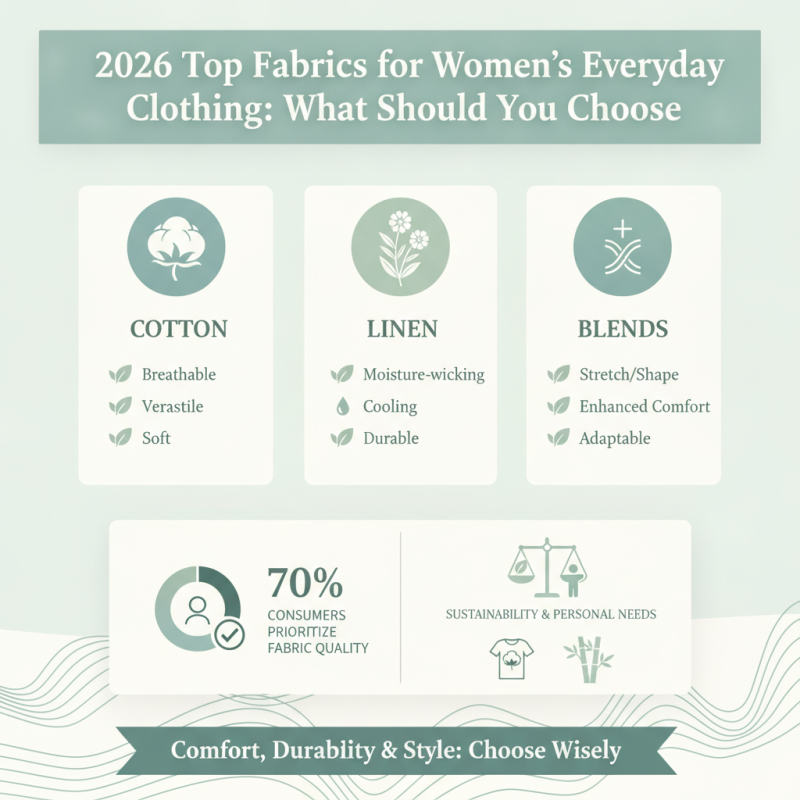
In the evolving fashion landscape, understanding what fabrics are best for women's everyday clothing is essential. Recent studies show that fabric choice significantly affects comfort and durability. According to a report by the Textile Institute, around 70% of consumers prioritize fabric quality in their purchases. This statistic reveals the critical role of material in shaping daily wear.

Cotton, linen, and blended fabrics emerge as top contenders for everyday clothing. Cotton is breathable and versatile, making it favored by many. Linen offers excellent moisture-wicking properties, ideal for warm climates. However, not every fabric suits all activities. Synthetics can provide stretch and shape but may lack breathability. It’s crucial to balance style and functionality when making choices.

As consumers become more aware, sustainability also comes into play. Many fabrics, like organic cotton or bamboo, align with eco-friendly practices. Yet, the question remains: How do we prioritize personal needs while being eco-conscious? Finding the right fabric is a journey, one that requires reflection and informed decision-making. Select wisely to ensure comfort, durability, and style.
2026 Top Fabrics for Womens Everyday Clothing What Should You Choose

2026 Women's Everyday Clothing Fabrics: A Comprehensive Overview

In 2026, selecting the right fabrics for women's everyday clothing will be crucial. The latest industry report from the Textile Association suggests that breathable materials like organic cotton and linen will dominate. These fabrics offer comfort for daily wear, allowing for airflow and moisture absorption. Their sustainability also aligns with increasing consumer demand for eco-friendly options.

Moreover, blended fabrics will gain popularity. Combining fibers like polyester and spandex can enhance stretch and durability. According to market research, about 40% of women prefer fabrics that maintain shape and resist wrinkles. This preference highlights a growing trend toward functional fashion. However, not all blends perform equally, and consumers may find it challenging to identify lower-quality materials.

It's essential to balance style with practicality. Many women appreciate soft textures but also require durability. Some fabrics may feel good but wear out quickly. Reflecting on these needs can lead to wiser fabric choices. Innovations in fabric technology may help improve reliability, yet, inconsistencies remain in production quality. Understanding these nuances will empower women to make informed decisions for their everyday attire.

Top Performance Fabrics: Balancing Comfort and Durability for Daily Wear

Choosing the right fabric for everyday women’s clothing is crucial. Top performance fabrics strike a balance between comfort and durability. According to a report by the Textile Research Journal, synthetic blends trend for everyday wear due to their moisture-wicking properties and resistance to wrinkles. This makes them ideal for busy women who need comfort throughout their day.


Cotton remains popular for its breathability. However, a survey by the American Textile Manufacturers Institute shows that 60% of consumers now prefer blends for increased durability. Fabrics like Tencel blend breathability with sustainability. However, it’s essential to consider care requirements, as some fabrics may not withstand frequent washing.


Not all performance fabrics are created equal. Some may feel good initially, but their longevity can be questionable. Many users report pilling issues after regular use. In contrast, fabrics like modal offer softness yet may wear out faster. It’s vital to balance these aspects when selecting the fabric for daily clothing. Always consider lifestyle and activity levels to make a well-informed choice.

Sustainable Fabric Choices: Eco-Friendly Options Gaining Popularity in 2026

As we approach 2026, sustainable fabric choices are becoming increasingly important for everyday women's clothing. Eco-friendly options are not just a trend; they represent a crucial shift in how we think about fashion. Fabrics made from organic cotton, hemp, and Tencel are gaining traction. These materials are biodegradable and require fewer resources to produce.

Many consumers are embracing the idea of eco-consciousness. However, the challenge lies in balancing style and sustainability. While some fabrics are innovative, they may not always meet the practicality we desire in everyday wear. Choosing the right fabric involves understanding its comfort, durability, and environmental impact.

Another aspect to consider is the sourcing process. Ethical practices along the supply chain are essential. It's easy to get lost in marketing that emphasizes eco-friendliness. We must remain vigilant and informed about the origins of our clothing. This awareness can empower us to make better choices. It isn't just about being trendy; it's about making a lasting impact. The journey toward sustainable fashion still has hurdles to overcome, but each step counts.

2026 Top Fabrics for Women's Everyday Clothing

This chart showcases the popularity of various sustainable fabric choices among women's everyday clothing in 2026. The data illustrates the increasing preference for eco-friendly options, highlighting the shift towards sustainable materials.

Trendy Textiles: Colors and Patterns Dominating Women's Fashion Fabrics

In 2026, the landscape of women's fashion fabrics is being defined by vibrant colors and bold patterns. Current industry reports indicate a significant shift towards sustainable textiles, with 55% of consumers prioritizing eco-friendly materials. Fabrics like organic cotton and Tencel are gaining traction, aligning with this growing demand for sustainability. These choices are not only better for the environment but also increasingly favored for everyday wear.

Patterned fabrics are making waves this year. Floral prints, geometric designs, and tie-dye elements dominate collections. According to a recent trend analysis, over 40% of new lines feature diverse patterns that appeal to a wide audience. This shift reflects a desire for individuality and creative expressions in everyday clothing. However, not all patterns cater to everyone's taste, prompting discussions about inclusivity in design.

Color trends are equally vibrant, with shades like burnt orange and sage green rising to prominence. Reports show that these colors resonate with consumers looking for freshness in their wardrobes. While these trends offer exciting options, personal preferences vary, making it clear that not every fashionable choice suits every individual. As trends evolve, the market must remain adaptable to these diverse consumer needs.

2026 Top Fabrics for Women's Everyday Clothing

Fabric Type Color Trends Pattern Trends Comfort Level Sustainability Score
Cotton Pastel Colors Floral and Stripes High 8/10
Linen Earthy Tones Checks and Plaids Medium 7/10
Modal Vibrant Colors Abstract Designs Very High 9/10
Tencel Muted Shades Geometric Patterns High 9/10
Polyester Neon Colors Graphic Prints Medium 5/10

Moisture-Wicking and Breathability: Key Features for Active Everyday Use

When selecting fabrics for women's everyday clothing, moisture-wicking and breathability should be at the top of the list. These features are essential for comfort and functionality, especially during active days. Fabrics that wick moisture away from the skin help keep you dry, preventing discomfort from sweat. Breathable materials allow air to flow, which helps regulate body temperature.

For those who spend long hours on the go, consider lightweight, synthetic blends. These fabrics often combine moisture-wicking properties with breathability, making them ideal for casual wear or workouts. Cotton blends can also be beneficial, as they provide softness and comfort while still allowing for some moisture management. Keep in mind that not all cotton is created equal; some varieties can absorb rather than wick away moisture.

Tip: Always check the fabric composition before purchasing. Look for terms like ‘moisture-wicking’ and ‘breathable’ in the product description.

It’s crucial to choose fabrics that suit your lifestyle. Outdoor enthusiasts may need sturdier, weather-resistant options. If you spend most of your time indoors, lighter fabrics could work well. Remember, comfort is key; if the fabric irritates your skin, it’s not worth it.

Tip: Consider trying on different fabrics to see how they feel. Your personal touch and comfort should guide your choices.

FAQS

: What should I consider when choosing performance fabrics for women’s clothing?

: Balance comfort and durability. Look for fabrics that suit your lifestyle and activity levels.

Why are synthetic blends popular for daily wear?

They offer moisture-wicking properties and wrinkle resistance. Busy women find them ideal for comfort.

Is cotton still a good choice for everyday clothing?

Yes, it remains popular for breathability. However, blends are preferred for better durability, according to surveys.

What are some sustainable fabric options?

Organic cotton and Tencel are becoming popular due to their eco-friendly nature. Both are great for daily use.

Are patterned fabrics a good option this year?

Yes, floral prints and geometric designs are trendy. However, not everyone enjoys the same patterns.

What color trends are notable for women's fashion?

Vibrant shades like burnt orange and sage green are in style. However, personal color preferences may vary widely.

Do all performance fabrics last long?

No, some may wear out quickly. Pilling issues are common with certain fabrics after regular use.

How important is lifestyle in selecting fabric?

Very important. Consider your daily activities to make a wise fabric choice that suits your needs.

Are sustainable fabrics also stylish?

Yes, they combine style with eco-friendliness. However, not all designs appeal to everyone’s taste.

Should I focus on fabric care requirements?

Yes, some fabrics need special care and may not hold up through frequent washing. Keep this in mind.

Conclusion

In 2026, selecting the right fabrics for women's everyday clothing is crucial for ensuring both comfort and style. The article explores various options, highlighting the importance of performance fabrics that balance durability and comfort for daily wear. It also emphasizes the growing popularity of sustainable fabric choices, which appeal to the eco-conscious consumer looking to make environmentally friendly decisions.

Moreover, trendy textiles featuring vibrant colors and patterns are shaping women's fashion, making it essential to stay updated with these trends. Key features such as moisture-wicking and breathability are highlighted for active wear, ensuring practicality in everyday activities. Ultimately, understanding what fabrics are best for women's everyday clothing will help in making informed choices that cater to both fashion and functionality.

Isabella

Isabella

Isabella is a dedicated marketing professional with a sharp focus on driving brand growth and engagement through strategic content creation. With an extensive background in digital marketing, she combines her passion for storytelling with her keen understanding of industry trends to deliver......