2026 Best Sustainable Fashion for Women What Is It?

Time:2026-10-21 Author:Mason
0%

Sustainable fashion for women is no longer limited to beige linen dresses or recycled labels. In 2026, it means examining how clothing is designed, made, worn, repaired, and eventually discarded. A durable cotton shirt, stitched with reinforced seams, may create less waste than a fashionable recycled blouse worn twice. The answer also depends on fiber sourcing, water use, factory conditions, transport, packaging, and garment longevity. These details matter. They shape the real environmental and social cost behind a polished product page.

So, what is considered sustainable fashion for women? Generally, it includes clothing made with lower-impact materials, responsible production methods, fair labor practices, transparent supply chains, and designs intended for repeated wear. Certifications such as GOTS, Fairtrade, and OEKO-TEX can offer useful evidence, but no logo proves everything. Look for specific claims, repair services, manufacturing locations, and clear fiber percentages. A brand that explains its limitations may be more trustworthy than one promising “zero impact.” That distinction deserves attention.

This guide explores practical choices for 2026, from secondhand denim and undyed knitwear to verified recycled fibers. It also considers fit, care, and personal buying habits. Washing a jacket less often can extend its life. Air-drying helps, too. Still, sustainability is not perfectly measurable for every shopper. I may overlook hidden impacts, and brands may report uneven data. Honest evaluation requires patience, comparison, and a willingness to revise our choices.
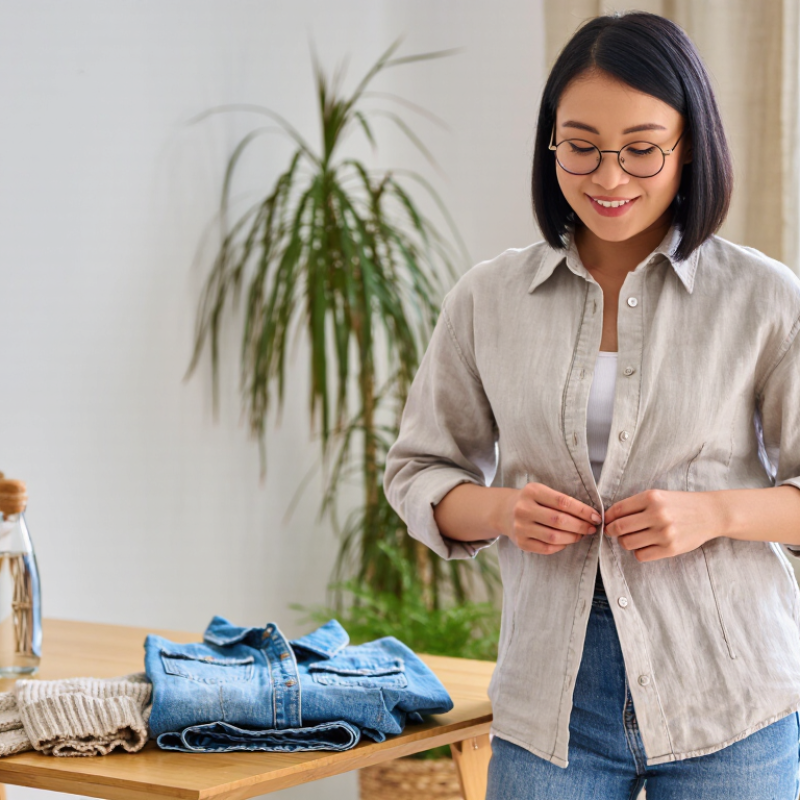
2026 Best Sustainable Fashion for Women What Is It?

What Sustainable Women’s Fashion Means: UNEP Links Textiles to 2–8% of GHGs

Sustainable women’s fashion means reducing environmental and social harm across a garment’s entire life. It includes fibers, dyeing, cutting, transport, use, repair, and disposal. UNEP links the textile sector to 2–8% of global greenhouse gas emissions. The range is wide. Different studies use different boundaries and assumptions.

The UNEP report, Sustainability and Circularity in the Textile Value Chain, identifies energy, chemicals, water, and waste as major pressure points. A cotton shirt may begin with field irrigation and end in a landfill. Synthetic fabrics can shed microfibers during washing. Better choices include durable construction, verified fiber information, and clothing that fits real daily routines. Small details matter. Strong seams help.

The European Environment Agency reported that EU textile consumption created about 270 kilograms of carbon dioxide equivalent per person in 2020. This figure covers production outside Europe, where much clothing is made. WRAP’s Valuing Our Clothes study found that extending a garment’s active life by nine months could reduce its carbon, water, and waste footprints by about 20–30%. That makes repeated wear more powerful than constant replacement. Still, buying “eco” clothing is not automatically sustainable. Certification quality varies, recycled fibers have limits, and disposal systems remain weak. I would check care labels, wash less often, repair loose hems, and question whether another item is necessary. These habits are practical, but imperfect.

Which Materials Matter: Textile Exchange Tracks Fiber Use and Recycled Content

In 2026, sustainable women’s fashion begins with the fiber, not the marketing phrase. Textile Exchange tracks global fiber use and recycled content, helping readers compare material choices more carefully. Cotton, polyester, nylon, wool, and man-made cellulosic fibers each create different environmental pressures. A soft shirt can still demand heavy water use or complex chemical processing.

Recycled polyester may reduce dependence on newly extracted fossil resources. However, it can still shed tiny plastic fibers during washing. Recycled cotton can save discarded textiles from landfills, but short fibers may weaken the final fabric. Look for clear information about recycled content, such as the percentage and whether it comes from pre-consumer or post-consumer waste. Vague wording deserves caution.

Check the fiber composition before buying. Then examine stitching, fabric density, and care instructions. A tightly woven skirt with repairable seams may outlast a thinner garment made from a preferred fiber. I have found this practical test more useful than judging a collection by its color palette. Still, material comparisons are imperfect. Textile Exchange data can show industry movement, but it cannot measure every factory, dye bath, worker experience, or washing habit. Sustainable fashion becomes more credible when fiber claims connect with traceability, durability, and honest limits.

How to Verify Ethical Clothing: GOTS, GRS, Fairtrade, and B Corp Standards

Sustainable fashion for women is not proven by soft fabric or earthy packaging. Ethical clothing needs verifiable standards. GOTS checks organic fibers, processing, restricted chemicals, and social criteria across the textile chain. Look for a certification number, not only a green logo. The certificate should match the product, facility, and current validity period.

GRS focuses on recycled materials and tracks them through the supply chain. It also addresses chemical use, environmental practices, and worker protections. Fairtrade certification can support cotton producers through defined labor requirements and community premiums. However, it may cover the cotton stage, not every sewing or finishing process. B Corp certification evaluates a company’s wider governance, worker policies, environmental impact, and accountability. It does not automatically certify each garment.

Tips: Photograph the label before buying. Search the certificate holder in the relevant standard’s public directory. Check fiber percentages, production sites, and expiration dates. Ask whether the claim covers the whole garment or only one material. Vague answers deserve caution. A recycled polyester dress may meet GRS requirements, yet still shed microfibers during washing. That issue is easy to overlook. Certification improves trust, but it cannot remove every impact. My own view is imperfect: I once treated any recycled-content claim as equally responsible. The details changed my judgment. Reliability comes from checking evidence, asking precise questions, and accepting that better clothing is rarely flawless.

How to Compare Fashion Impacts: LCA Data on Carbon, Water, and Waste

In 2026, sustainable fashion for women should be compared through life-cycle assessment, not attractive labels. LCA measures impacts from fiber production to disposal. The numbers are not clean. Different studies use different boundaries, energy mixes, and functional units.

The European Environment Agency estimated that EU textile consumption caused about 270 kilograms of carbon emissions, 9 cubic meters of water use, and 400 square meters of land use per person in 2020. These figures cover clothing, footwear, and household textiles. UNEP reports that textiles create roughly 2–8% of global greenhouse-gas emissions and consume about 215 trillion liters of water annually. Compare like with like: a 500-gram shirt, worn 30 times, is not equal to one worn 150 times. LCA needs context.

Waste deserves equal attention. The Ellen MacArthur Foundation estimated that 73% of clothing materials were landfilled or burned, while less than 1% became new clothing fibers. A lower-carbon fabric may still create difficult waste if it uses blended fibers or sheds microfibers. Check fiber content, expected lifespan, repair options, and end-of-use systems. Recycled content is useful, but it is not automatically low-impact. Data quality can be imperfect, especially when suppliers disclose averages instead of verified site-level measurements. A careful comparison should cite ISO 14040/14044 methods, explain assumptions, and separate carbon, water, and waste results instead of hiding them in one sustainability score.

How to Build a 2026 Sustainable Wardrobe: Durability, Repair, Resale, and Care

A sustainable women’s wardrobe in 2026 should begin with durability, not novelty. During a wardrobe audit, check seams, fabric density, buttons, and washing labels. A strong jacket should survive repeated wear, not just look impressive online. Ellen MacArthur Foundation reported that clothing utilization fell by 36% compared with 15 years earlier. That decline makes each purchase decision more important. Choose fewer versatile pieces, but do not chase perfection. I still misjudge fit sometimes.

Repair should become a normal wardrobe habit. Keep spare buttons, matching thread, and a small fabric patch at home. Fix loose hems before they become larger tears. Wash clothes less often when airing is enough, and use cold water with gentle cycles. WRAP’s Valuing Our Clothes report found that extending a garment’s active life by nine months can reduce its carbon, water, and waste footprints by about 20–30%. That result depends on real use, not storage.

Resale also extends a garment’s working life. Clean items, photograph flaws honestly, and include accurate measurements. The 2024 ThredUp Resale Report projects the global secondhand apparel market could reach 350 billion dollars by 2028. However, resale is not automatically sustainable if it encourages constant buying. Keep a repair record, wear each item repeatedly, and reconsider impulse purchases. Sometimes the most responsible choice is using what already hangs in the closet.

FAQS

What does sustainable women’s fashion include?

It considers a garment’s full life. This includes fibers, dyeing, sewing, transport, washing, repair, and disposal. Durable seams matter.

How much do textiles contribute to global emissions?

Estimates place textiles at roughly 2–8% of global greenhouse-gas emissions. The range is broad. Studies use different boundaries and assumptions.

Why is wearing clothes longer important?

Wearing a garment for nine extra months may reduce carbon, water, and waste footprints by about 20–30%. Repeated wear often matters more than constant replacement. I sometimes underestimate this.

How can shoppers check an ethical clothing claim?

Look for a current certificate number, not just green packaging. Check the product, factory, fiber percentage, and expiration date. Photograph the label.

Does recycled fabric always mean sustainable clothing?

No. Recycled fibers can reduce demand for new materials, but they still have limits. Some synthetic fabrics release microfibers during washing. The claim needs context.

What should shoppers compare in a life-cycle assessment?

Compare carbon, water, land, and waste separately. Check the garment weight, expected wears, energy mix, and disposal method. One score can hide important differences.

How can clothing care reduce environmental impact?

Wash less often when practical, use cooler cycles, and follow care labels. Repair a loose hem before it grows. Small repairs extend use.

What makes a garment easier to keep and repair?

Strong seams, replaceable buttons, simple construction, and accessible fabric details help. Blended materials may complicate recycling. Practical fit matters more than ideal plans.

Are sustainability certifications enough to prove a garment is responsible?

No certification removes every impact. Some schemes cover fibers, while others assess broader business practices. Verify what the certificate actually covers. Evidence can still be incomplete.

Why is clothing disposal a serious concern?

Much clothing is landfilled or burned, while less than 1% becomes new clothing fiber. Blended fabrics are difficult to separate. Disposal systems remain weak.

Conclusion

Sustainable fashion for women means choosing clothing that reduces environmental harm and supports fair, responsible production throughout its life cycle. The textile industry contributes significantly to global greenhouse gas emissions, while fiber production can also consume water, energy, and raw materials. Understanding materials is therefore important: recycled fibers, responsibly sourced natural fibers, and durable blends may offer different advantages depending on how they are produced, used, and disposed of.

To decide what is considered sustainable fashion for women, shoppers can look for credible certifications covering organic materials, recycled content, worker welfare, and responsible business practices. Life-cycle information can help compare carbon emissions, water use, and waste rather than relying on marketing claims alone. A practical sustainable wardrobe should focus on well-made, versatile garments that can be repaired, reused, resold, and cared for properly. Washing less frequently, using gentle cycles, and extending each item’s lifespan can make everyday fashion choices more sustainable in 2026.

Mason

Mason

Mason is a seasoned marketing professional with a deep expertise in the company's offerings and a passion for driving brand awareness. With a strong background in digital marketing strategies, he has an innate ability to connect with diverse audiences and effectively communicate product benefits.......